Wiener Looping – Client Approved!
The Wiener Looping at Vienna’s Prater is more than a new roller coaster. It is a strategic statement for bold renewal and smart investment decisions.
The Wiener Looping at Vienna’s Prater is more than a new roller coaster. It is a strategic statement for bold renewal and smart investment decisions.
This project demonstrates how the right attraction type, a precisely tailored track design, and a consistent budget strategy can result in a ride that sustainably excites guests while delivering strong economic value.
For me, this project reflects the approach I bring to future developments as a Lead Roller Coaster Designer and external consultant – acting as the connecting link between operator, park strategy, and manufacturer.
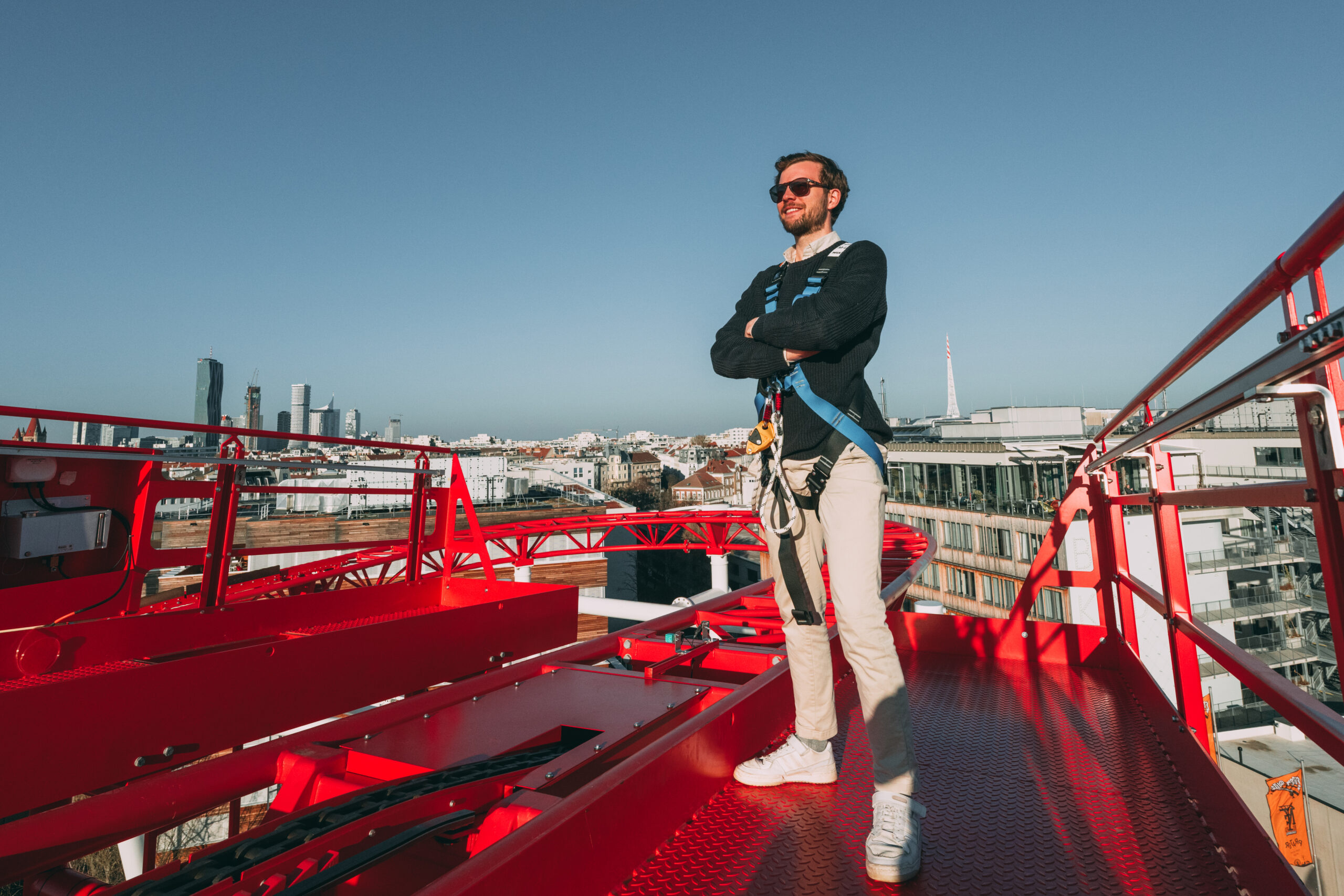
I was involved in the project from an early stage, not just as a designer but as a strategic advisor across the entire lifecycle of the attraction.
My responsibilities included:
The ride type was selected to meet the specific demands of a pay-per-ride environment like the Wiener Prater. Short, single-car trains ensure constant movement and continuous visibility, keeping guest attention high.
At the same time, this concept allows for an extremely compact and agile layout, ideal for the limited space available. With eight seats per vehicle, including outer seats positioned beyond the track, the ride delivers both operational efficiency and a unique riding experience. Based on these criteria, Mack Rides proved to be the strongest partner and solution among the competing manufacturers.
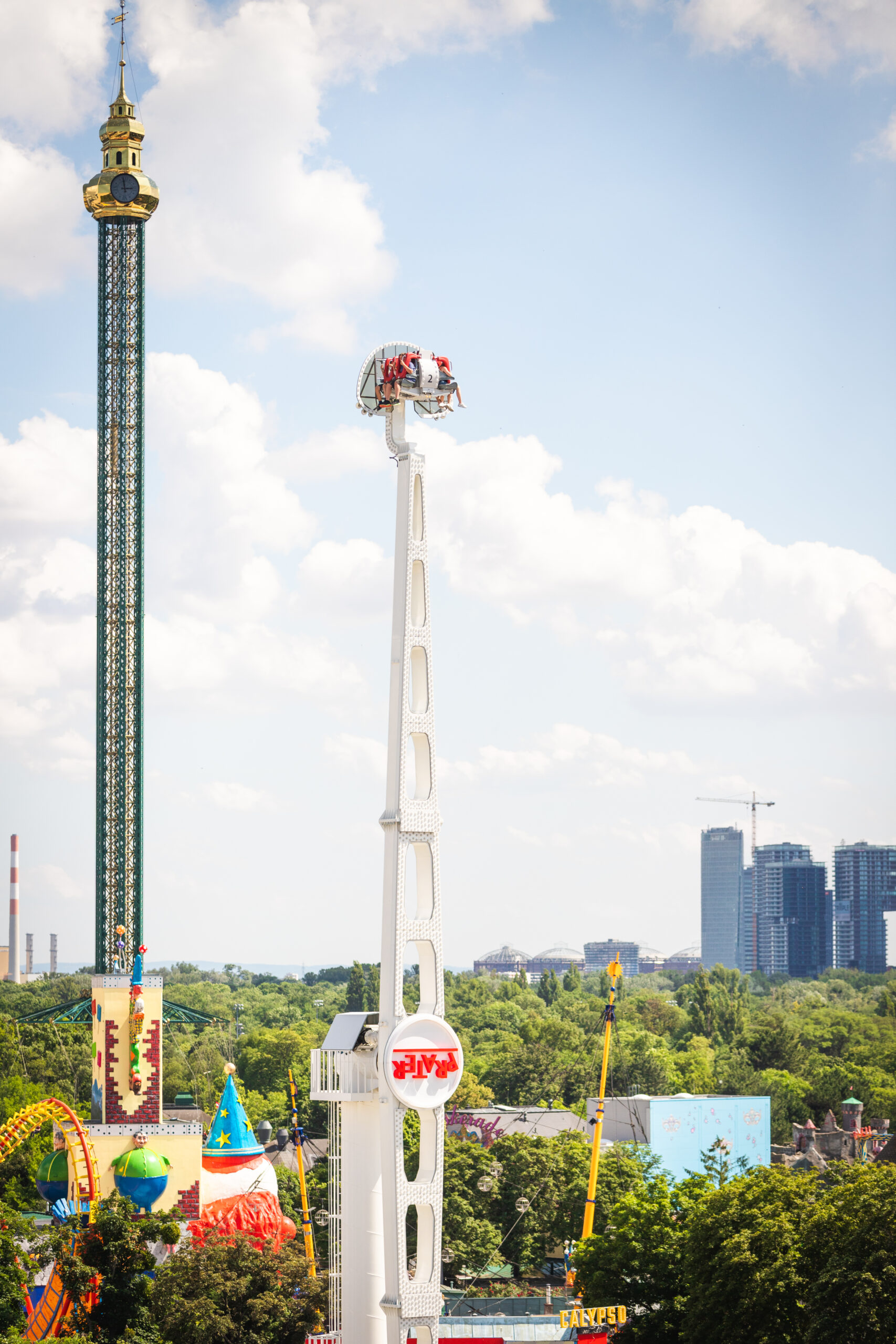
The Wiener Prater is one of Europe’s most historic amusement destinations. Founded in the 18th century, it is both a cultural landmark and a major leisure destination, welcoming millions of visitors each year. Unlike master-planned theme parks, the Prater has evolved organically over generations through a collection of independently family-operated attractions. A strength in terms of identity, but a challenge when it comes to large-scale development.
Throughout its history, more than 40 roller coasters have operated within the park. Despite this rich legacy, the Prater had never been able to establish a permanent, modern flagship roller coaster comparable to those found in big amusement parks – until now.
A key goal of this project was to revitalize the back, less-visited section of the Prater, while also generating additional revenue opportunities for nearby attractions, many of which are operated by the same family as the Wiener Looping.
The effort was deeply connected to the ride’s heritage: Karin Koidl, whose father originally conceived a 1982 coaster at the Prater, proposed revitalizing the area around the Ghost Train and oversaw the project with a strong focus on operational and financial considerations, linking past inspiration with today’s innovative design.
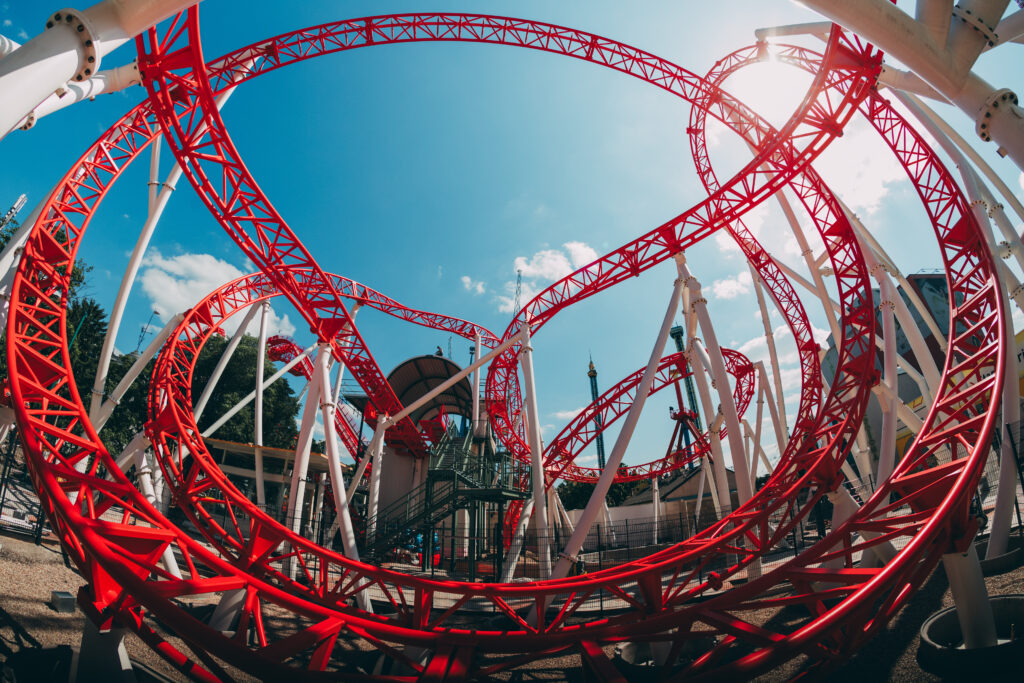
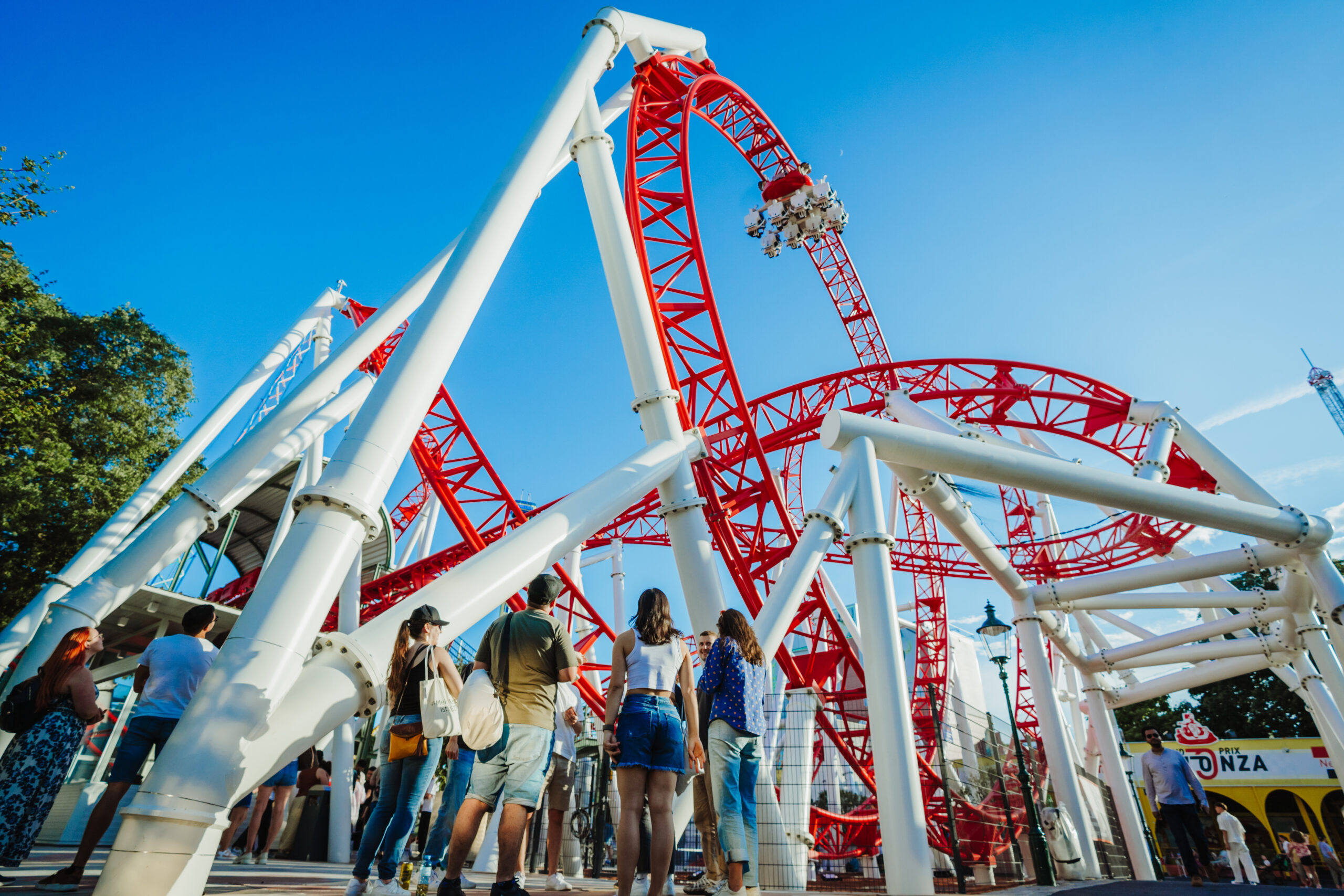
In reference to the previous roller coaster at the Wiener Prater, the new ride was given the same name, Wiener Looping. This established not only the name but also the centerpiece of the layout.
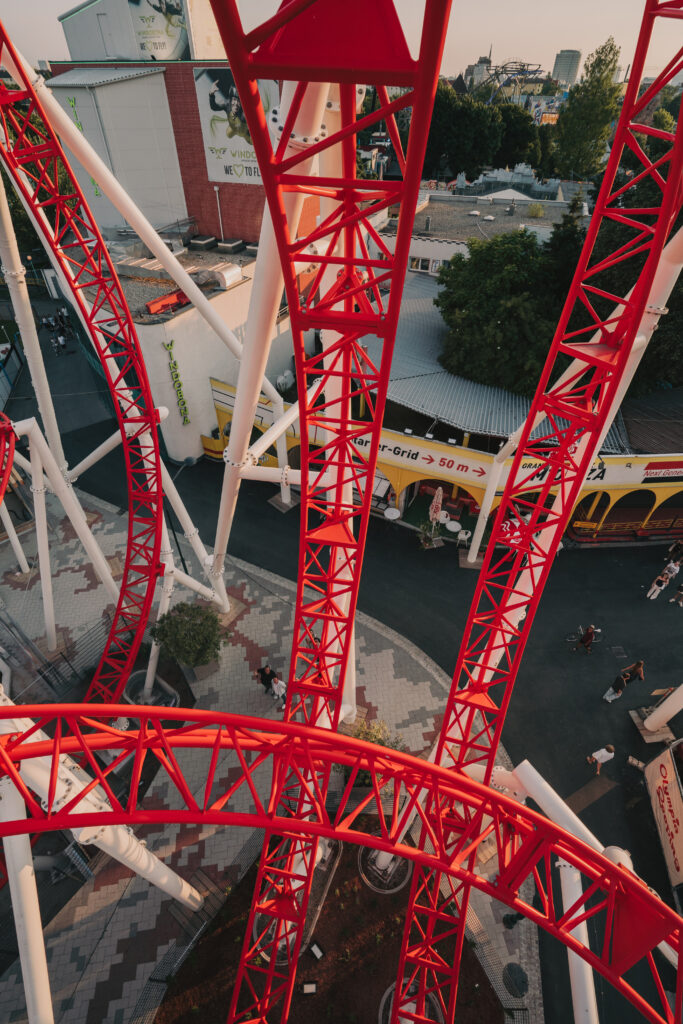
Modern calculation and design capabilities now allow maneuvers that were impossible when the original looping was revived in 1976. Our goal was therefore clear: the loop had to be something truly exceptional, standing apart from conventional ride elements.
The key innovation: We extended the up-side-down moment of the element. Normally a very brief experience, the inversion has been stretched to three seconds, generating both a dramatic sense of weightlessness and the space needed for the layout’s final turn — a design solution that combines both emotional impact and functional efficiency.
This looping is:
the name-giving element of the ride
a visual landmark within the Prater
a surprising highlight that actively encourages repeat rides
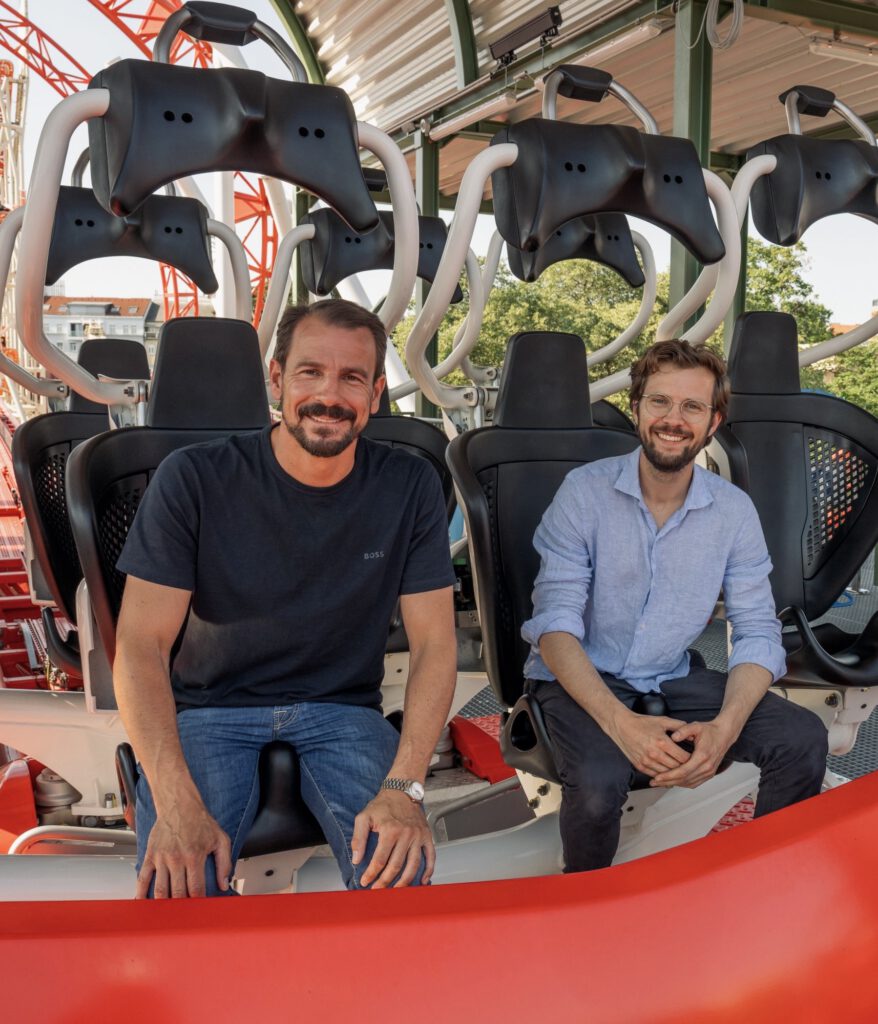
Stefan Sittler-Koidl, owner and operator of the Wiener Looping, is a true visionary. He came with clear ideas – about what he loves, what he consciously wanted to avoid, and what kind of emotional experience the ride should deliver.
My task was to structure, refine, and translate this vision into a robust and executable design.
“I laid all my ideas, preferences, and also my no-gos on the table. What emerged is not a standard ride, but exactly the roller coaster I wanted for this location.”
– Stefan Sittler-Koidl, Owner & Operator, Wiener Looping
This close and trusting collaboration formed the foundation for making bold design decisions with confidence and clarity.
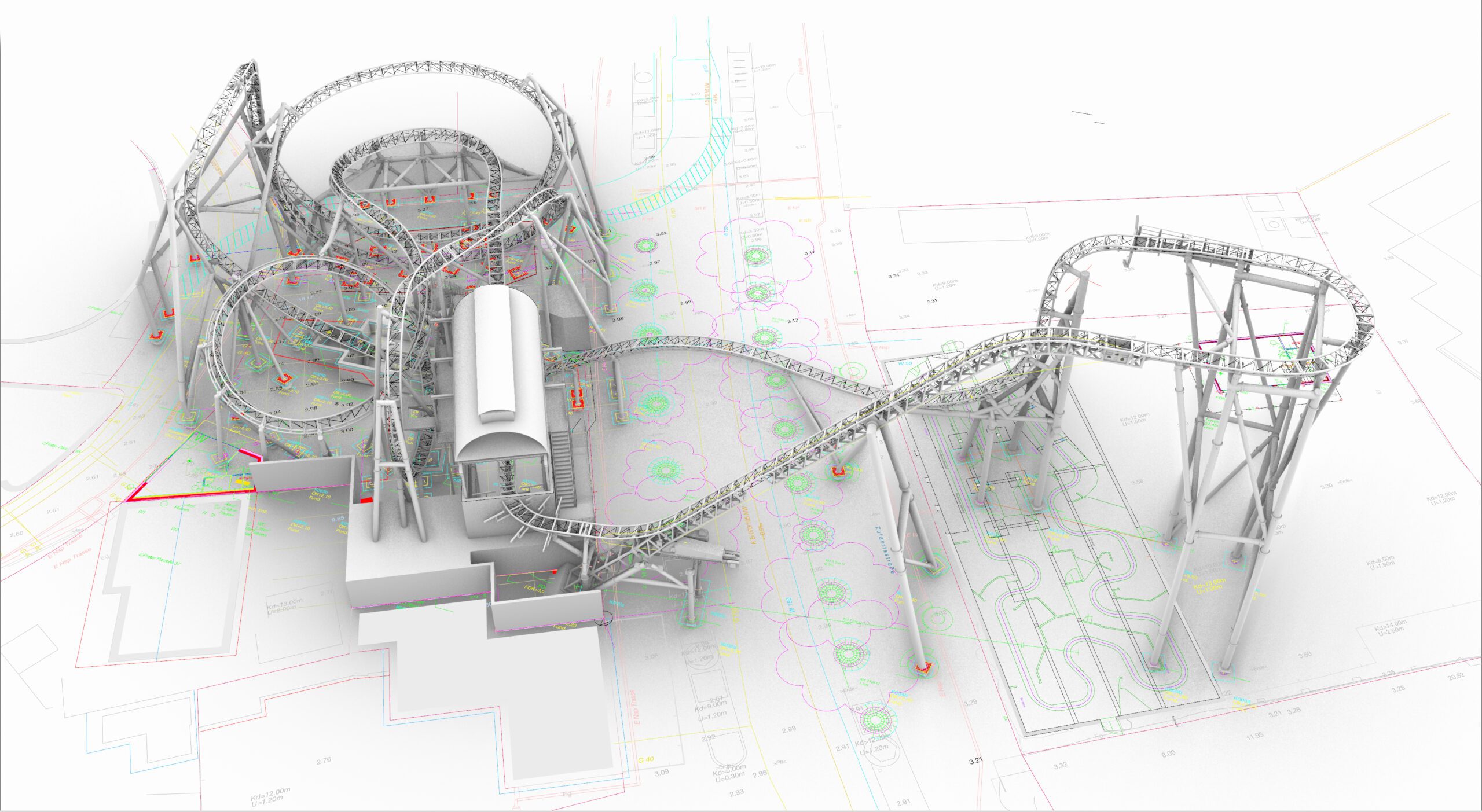
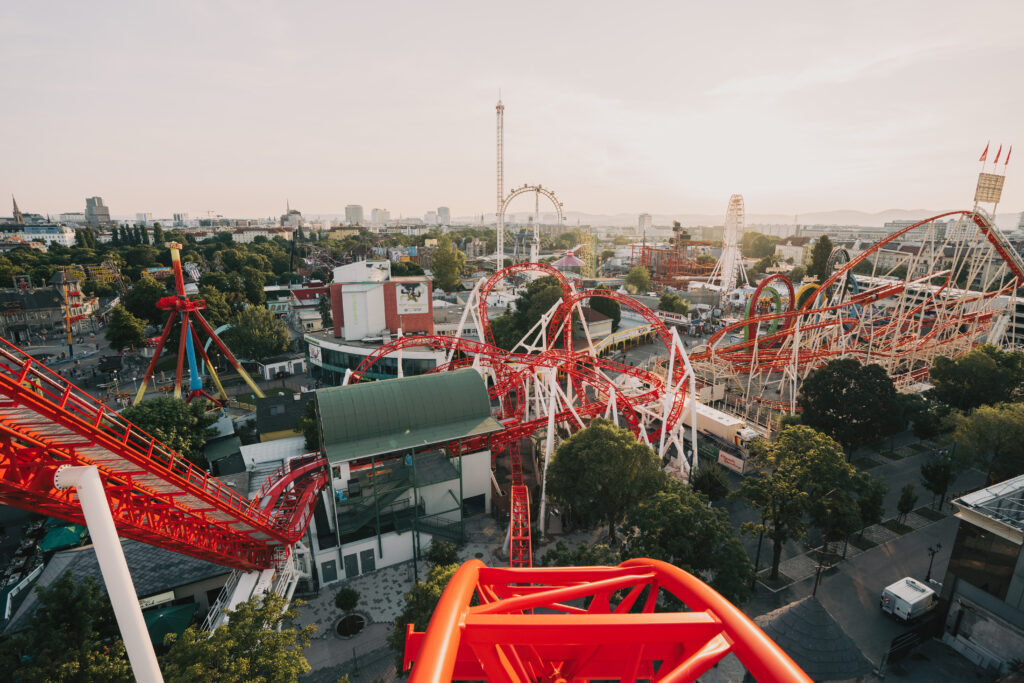
In creating the ride layout, the goal was to maximize thrill and visual impact. Every element of the ride was strategically placed to create maximum excitement and visual presence, all within the spatial limits of the site.
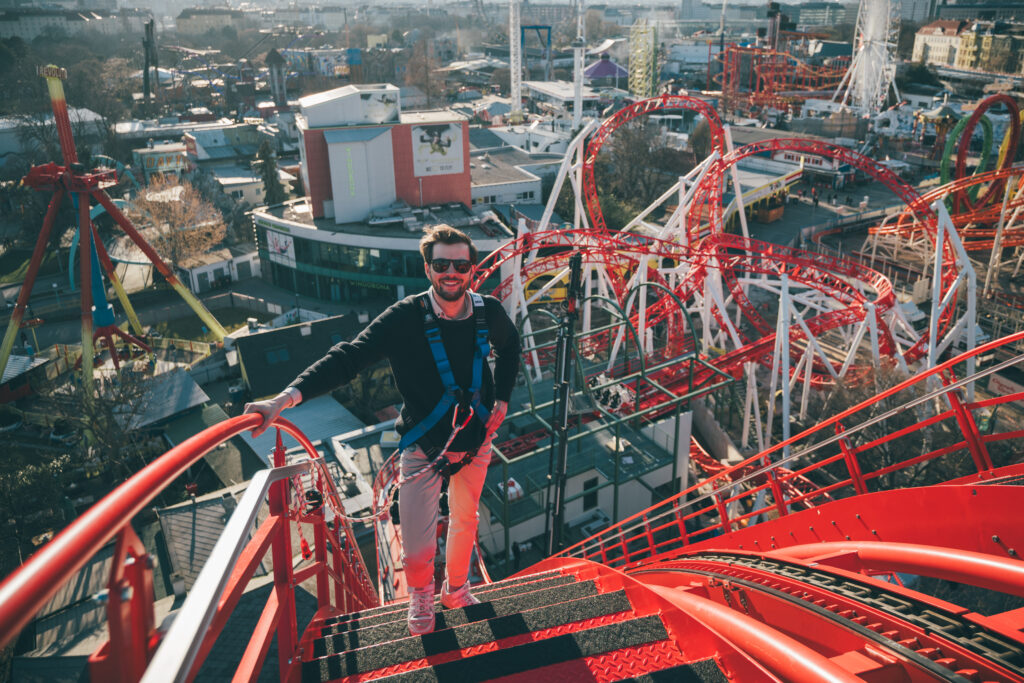
After a panoramic curve following the lift hill, the cars pause at 31 meters, just before the first drop, offering guests a breathtaking view over Vienna.
From there, the riders plunge down a more-than-vertical drop into the depths.
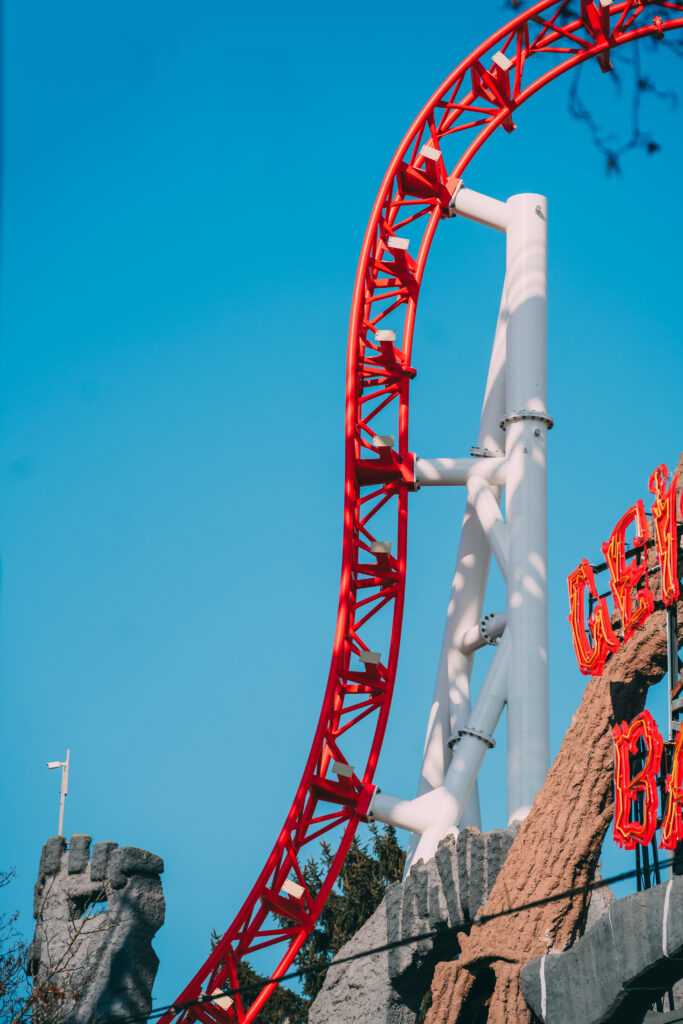
This surprising moment of free fall is immediately followed by an airtime hill crossing the public walkway, giving riders the exhilarating lift-out-of-your-seat sensation that roller coaster enthusiasts crave.
At 82 km/h at the track’s lowest point, the cars climb into a vertical element, navigating a dynamic change of direction within the site’s constraints.
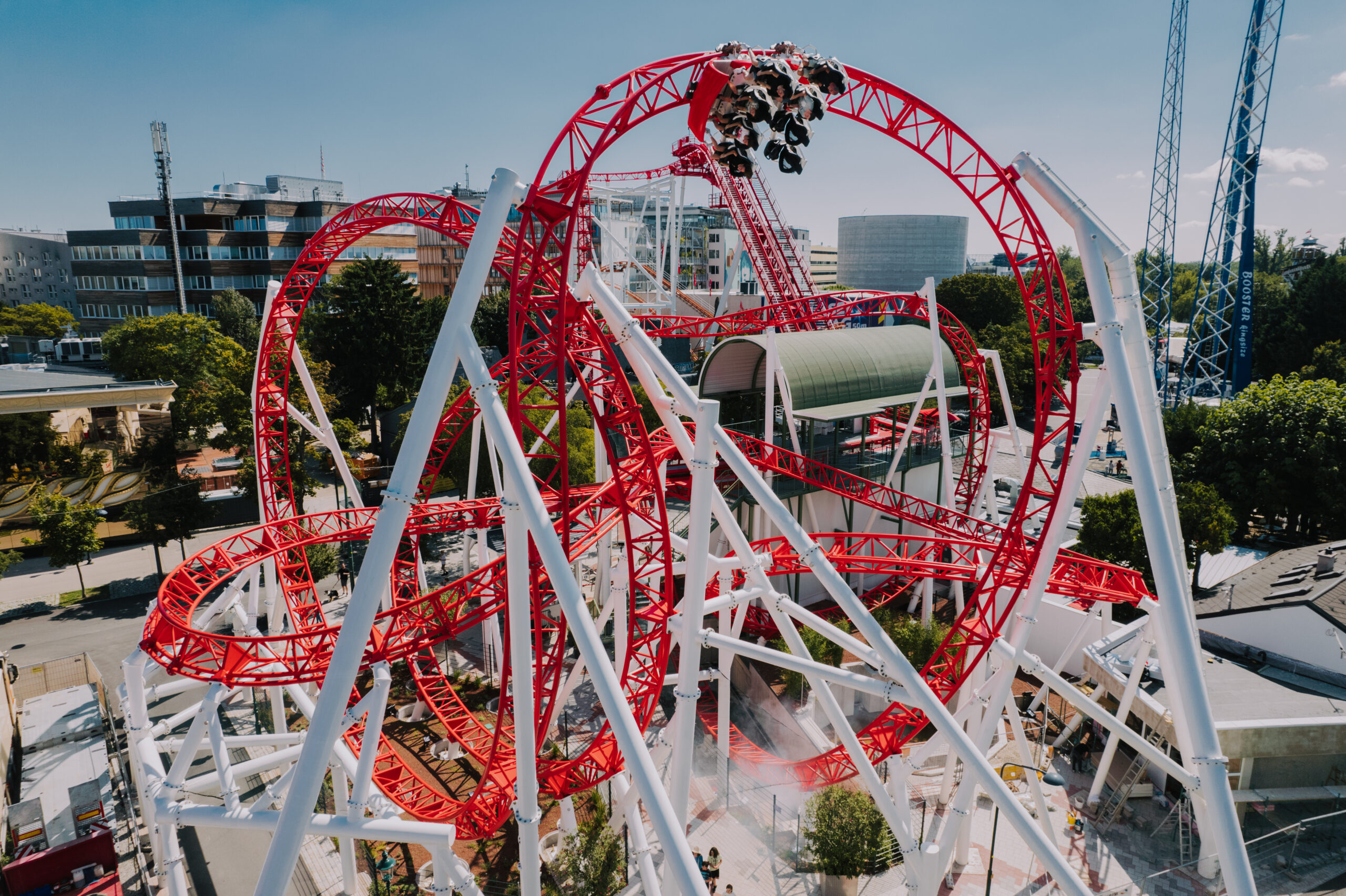
Following this, riders experience the highlight of the course: The three-second, upside-down, weightless maneuver inside the giant loop.
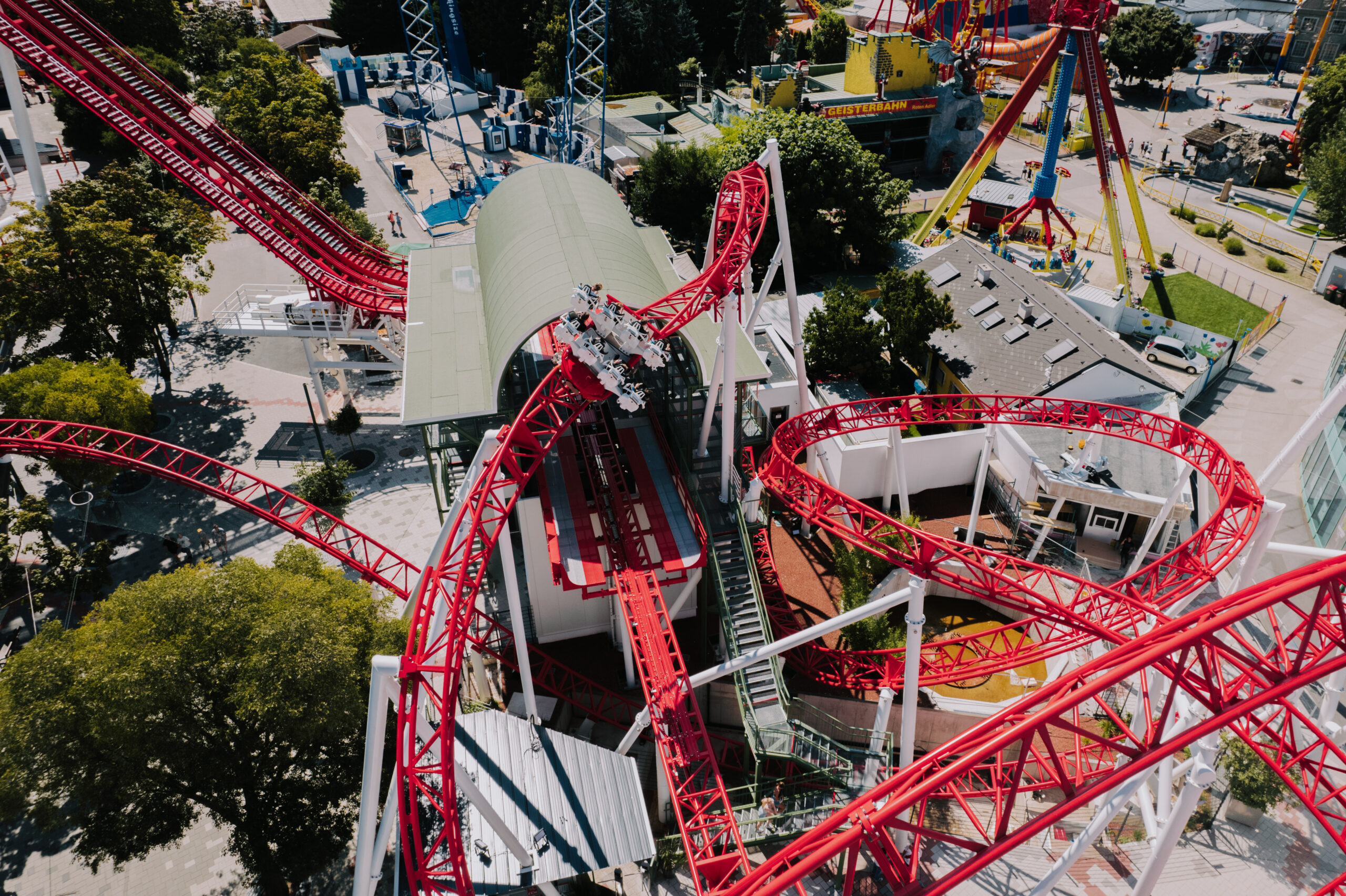
Next, the train climbs a right-hand ascent into a dive loop and enters a powerful helix.
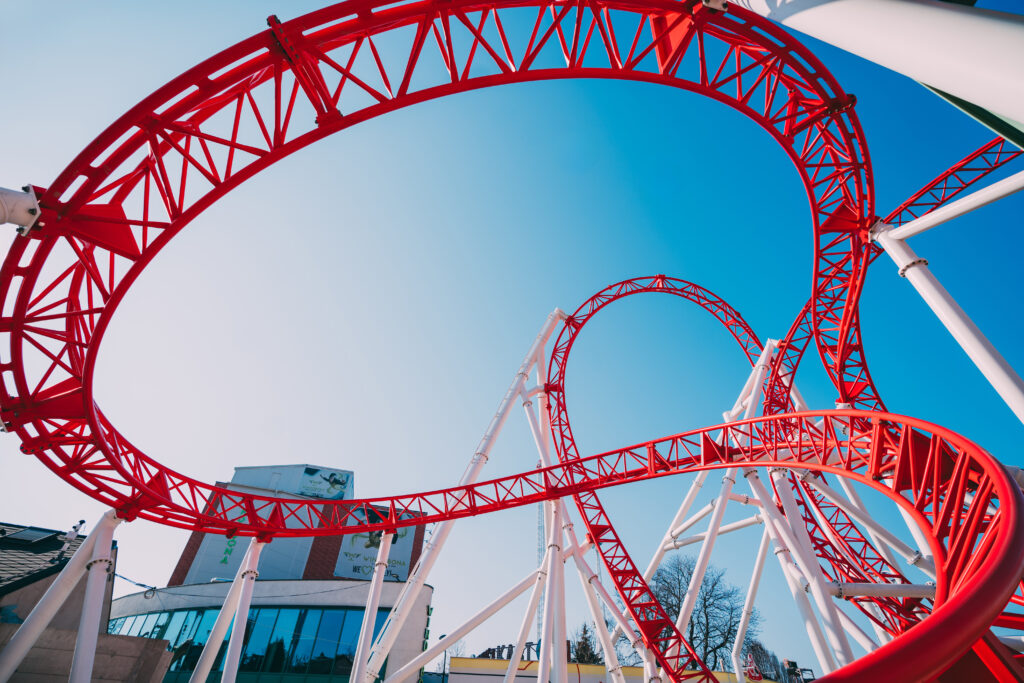
The ride continues with a further twist up in the air, guiding guests into the final curve — which passes through the center of the looping right into the final break run.
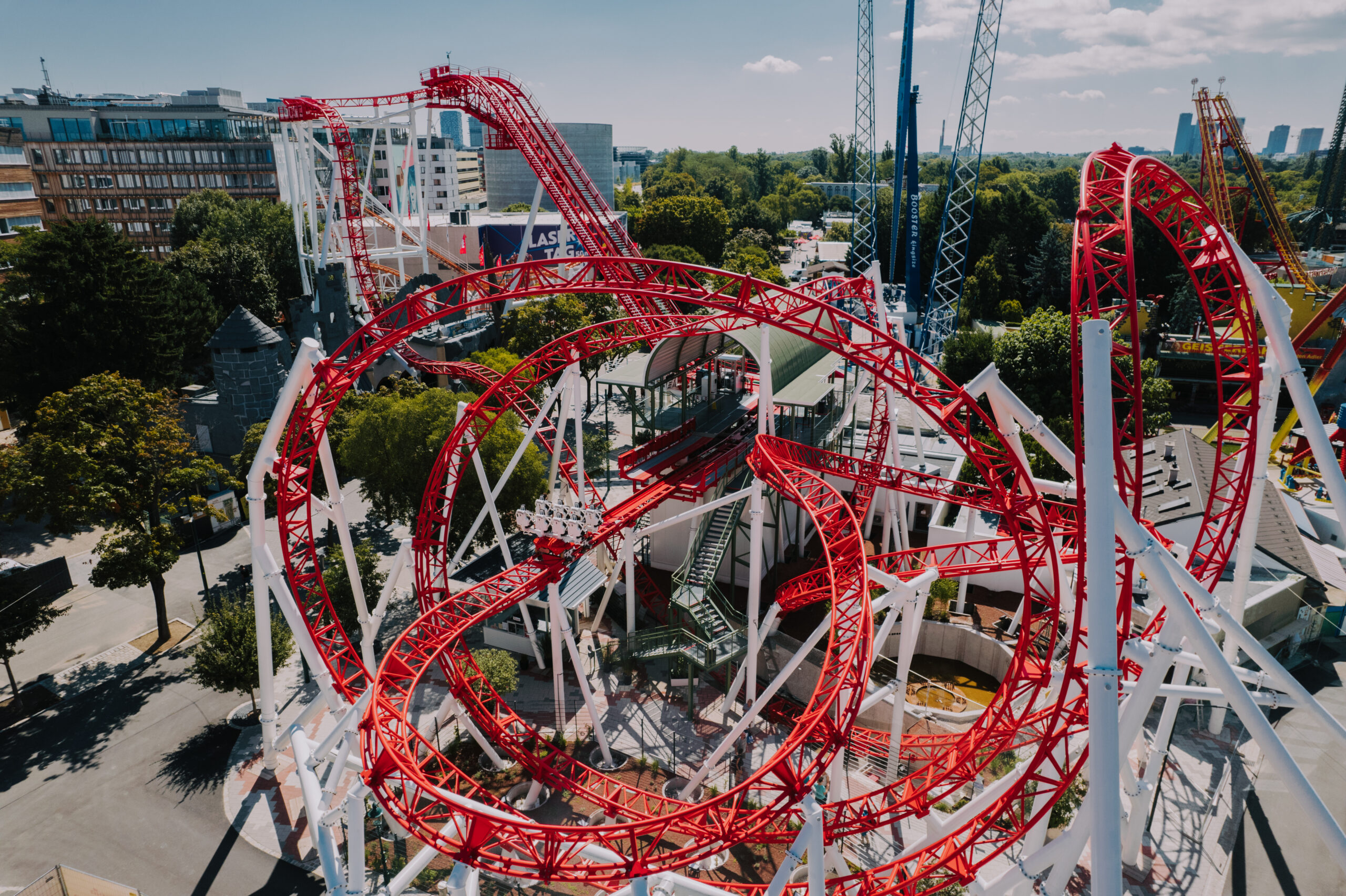
From a business perspective, the Wiener Looping was designed as a long-term investment. The attraction reorganizes visitor flow within the Prater by drawing guests into previously less active areas and strengthening the surrounding businesses. The layout also allows for future growth: the helix has been designed with future expansion in mind, allowing for a second attraction such as a planned observation tower.
The ride’s pacing and intensity are designed to encourage repeat riders. In addition, the trains allow for a backward-facing configuration, enabling a new ride experience to be introduced at a later stage — creating new marketing opportunities with minimal operational effort.
For me, the Wiener Looping was more than a first project—it was an opportunity to apply a fully integrated approach to roller coaster design, from strategic concept through every operational detail.
Every element, from ride pacing to vehicle configuration, was considered with long-term impact in mind, far beyond what this article can convey.
The project has set a high standard for how I work: guiding a vision through detailed planning, technical execution, and operational alignment.
If you are evaluating a new attraction or repositioning an existing site, I am open to discussing how a strategically designed ride can strengthen both guest experience and long-term business performance.
Looking ahead, I plan to share deeper insights into the construction process, ride maintenance design, and other behind-the-scenes elements that demonstrate the full depth of strategic thought and precision that went into this ride: