
Every Ride Is Its Own Box Office
What theme parks can learn from the Prater, Tivoli and Bakken
In Europe’s oldest amusement areas, nobody pays to get in – every ride has to win its guests one ticket at a time. That pressure produces lessons that gated parks rarely learn.
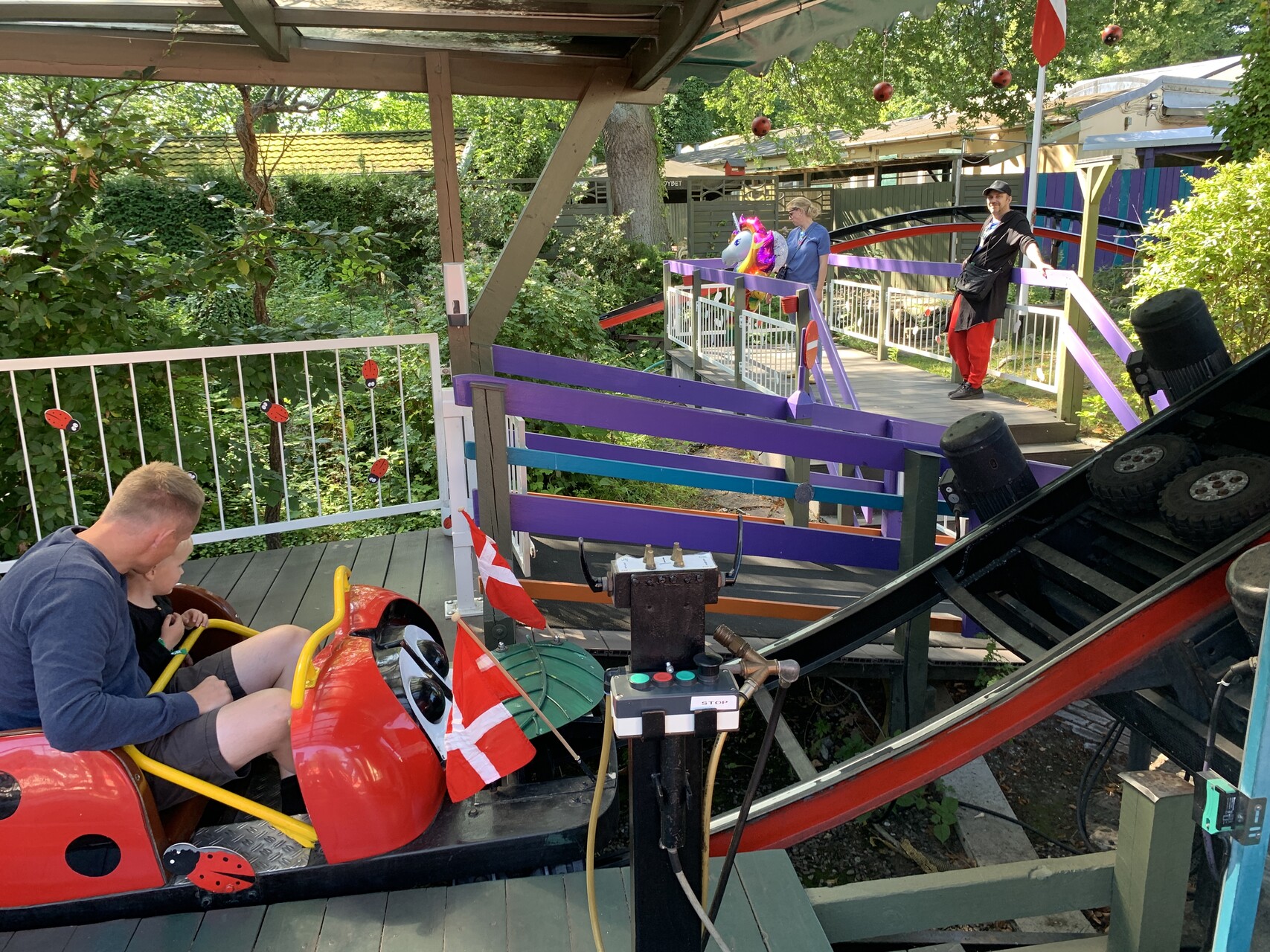
In a theme park, a roller coaster is part of a promise. The guest has already paid at the gate, and the ride’s job is to make that ticket feel worth it. In the Prater, the promise does not exist. The guest walks in for free, with money in their pocket and dozens of rides competing for it. A ride that does not convince within seconds earns nothing.
I have spent several years working in this environment, most recently as lead designer of the Wiener Looping. It has shaped how I look at every attraction, including those inside the gate of a classic theme park.
01
Three ways to sell a ride
Europe’s historic amusement areas run on business models that most of the industry has forgotten.
| Model | Example | Entry | Rides |
|---|---|---|---|
| Pay-one-price | Most gated theme parks | Paid | Included |
| Free entry, pay per ride | Wiener Prater (Vienna), Bakken (Copenhagen) | Free | Individual tickets or wristbands |
| Hybrid | Tivoli Gardens (Copenhagen), Blackpool Pleasure Beach (UK) | Paid | Ride tickets or ride pass on top |
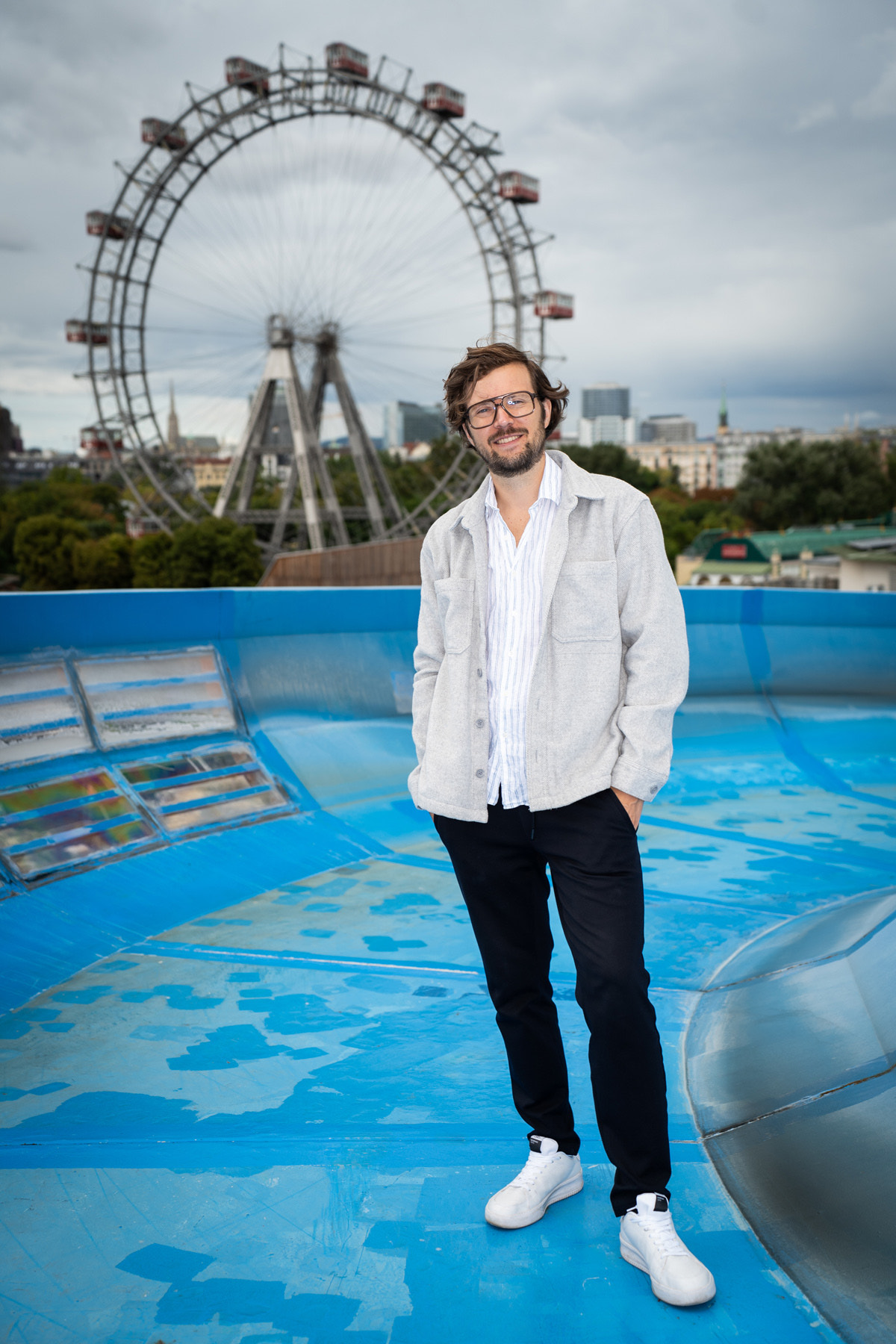
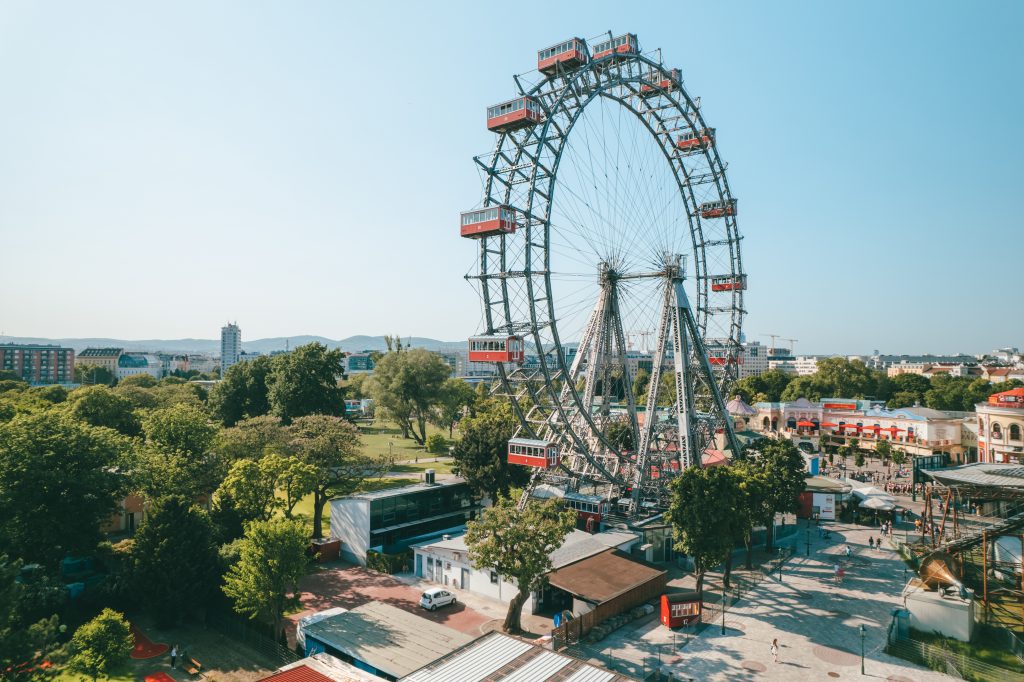
The Prater is open all year, with rides priced individually at roughly €3.50 to €15. In 2025 it drew close to seven million visitors – more than most gated parks in Europe – spread across around 80 independent businesses.
Bakken, founded in 1583 and considered the world’s oldest operating amusement park, draws an estimated 2.5 to 2.9 million visitors a year without charging admission.
Tivoli, opened in 1843 in the centre of Copenhagen, charges for entry and then sells rides separately. In 2025 this hybrid model welcomed 4.3 million guests.
In both pay-per-ride venues, most attractions are run by independent operators.
Each ride is effectively its own small business, with its own revenue, its own costs and a direct competitor fifty metres away.
Lesson 1
Motion is marketing
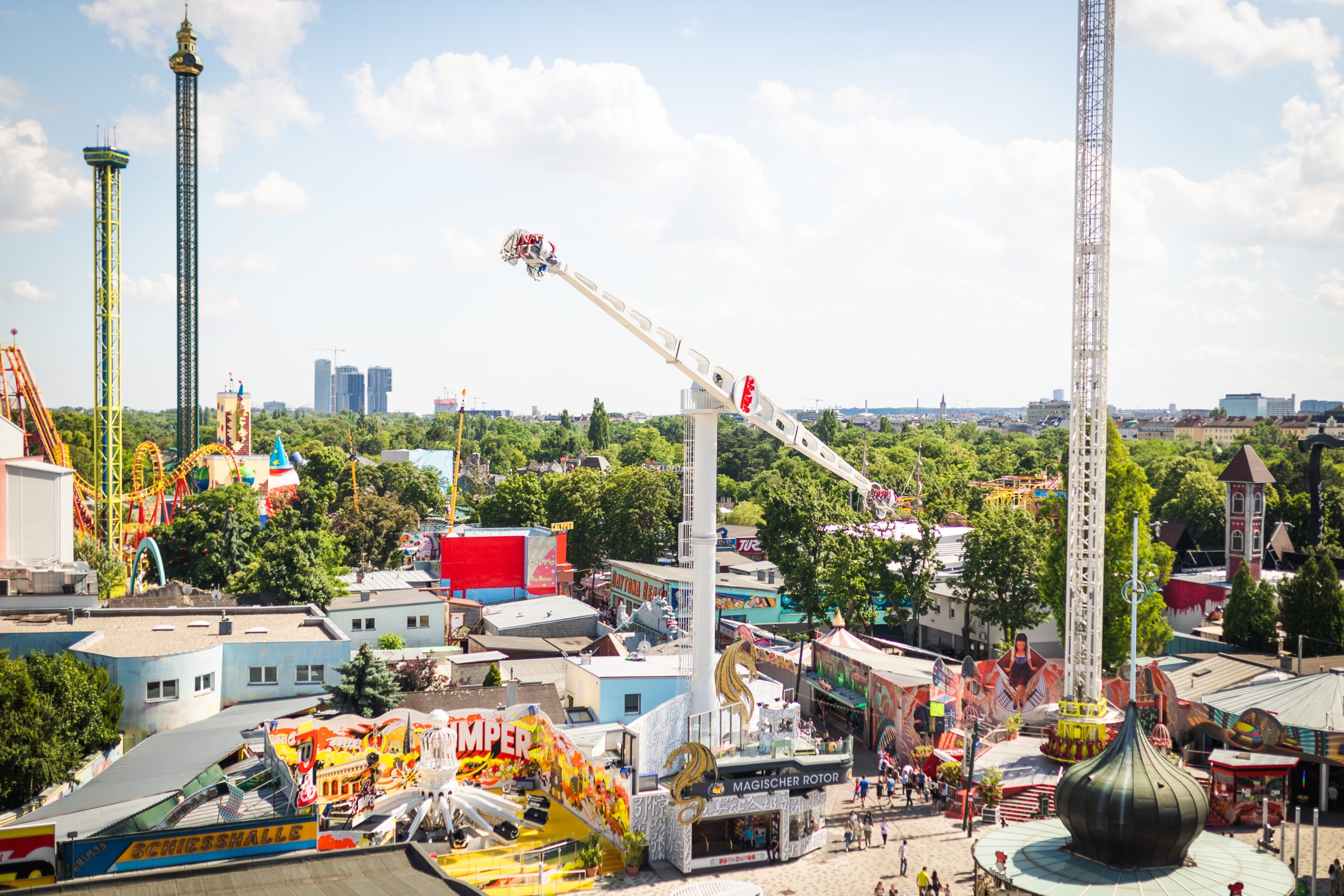
The most valuable advertising space in a pay-per-ride park is the ride itself, in motion.
A train parked in the station while it loads is an advertisement that has switched itself off.
That is why we designed the Wiener Looping around short single cars instead of one long train. More dispatches mean more movement, more screams and more reasons for a passer-by to look up. For a theme park, this sounds like a detail. For a ride that has to sell its own tickets, it is the business model.
Theme parks can apply the same thinking to their skyline. Which rides are visible from the paths where guests decide what to do next – and are they visibly running?
Lesson 2
The guest judges value ride by ride
In a gated pay-one-price park, a weak ride is absorbed by the overall ticket. Guests do not complain, because there are plenty of other rides to discover. In a pay-per-ride park, the guest decides after every ride whether it was worth the money – and whether to buy another ticket.
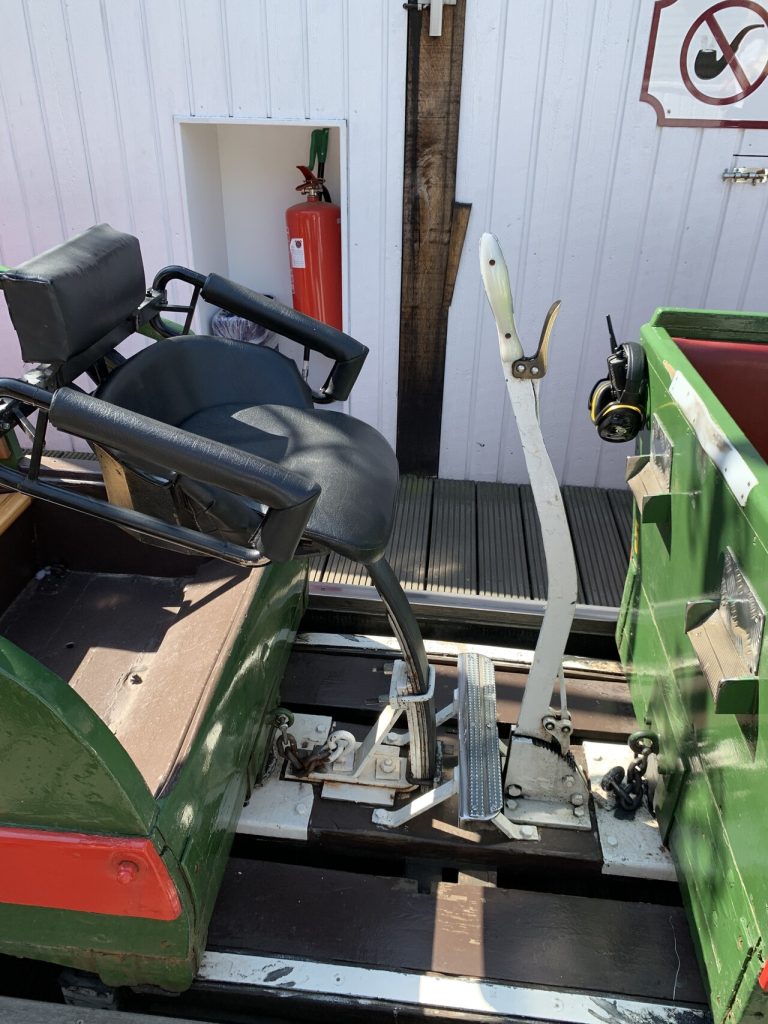
This changes design priorities. Dead time – slow lifts, long brake runs, slow transfers – costs both capacity and visibility. The ride itself has to be balanced so that guests step off with one thought: I want to do that again.
To earn that ticket, a ride has to do at least one of three things: surprise its riders, look so extreme that its sheer appearance stops people in their tracks, or win them over with its history and tradition.
Theme parks rarely measure this, because the gate has already been paid. Yet their guests compare rides too: how good a ride feels, how long the wait was, how well the storyline was told.
Lesson 3
The exit sells the next ticket
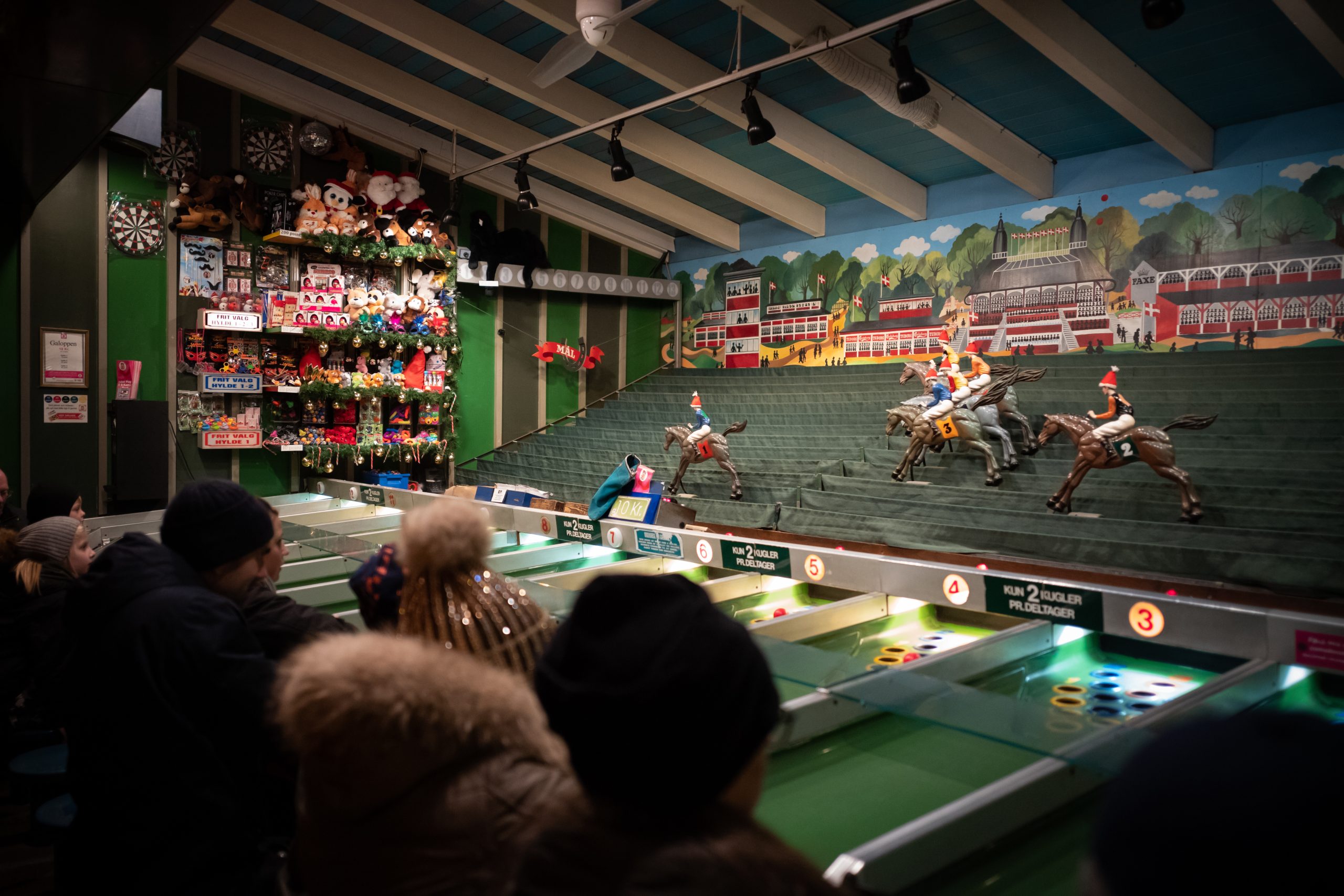
The strongest sales argument in a pay-per-ride park is a group of riders stepping off, still laughing. Their energy spills over to the onlookers on the walkway who are still asking themselves: should I go or not?
I see it every day in the Prater: when waiting guests stand right next to riders who step off still buzzing, the excitement passes straight to them. It turns into anticipation – and often into a little extra nervousness, which only adds to the sense of adventure.
Lesson 4
Competition next door forces renewal
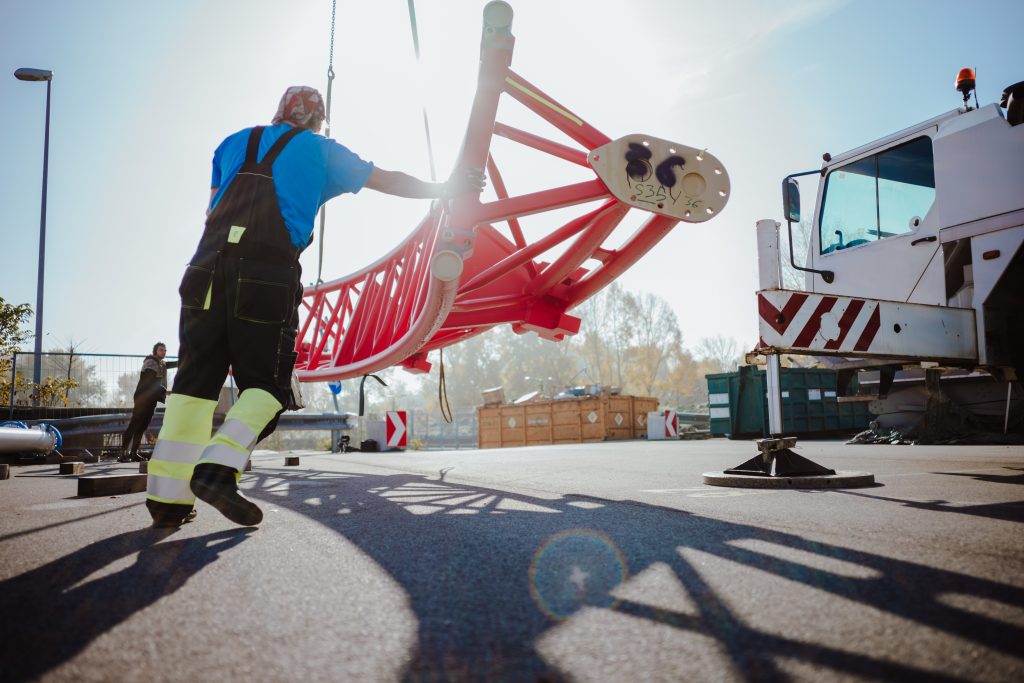
In a place like the Prater, the market never stands still. Every operator keeps an eye on the neighbour: what are they building, and are they about to outdo me? An operator who stops investing loses customers within a season, and the feedback is measured in cash at the ticket booth. The result is constant change and steady renewal.
Theme parks have one advantage here: a single team sees the whole park. Ride counts, queue times and, where wristbands or apps exist, repeat-ride rates show which attractions guests actively choose and which they merely tolerate. Someone can act on it across the entire line-up.
In a pay-per-ride park, each operator usually sees only their own numbers. That makes choosing the right ride for a plot even harder.
The limits
Where the model fails
Pay-per-ride is not a model to copy wholesale. Fragmented ownership makes large investments difficult: there is no master plan, no shared budget and no single investor. The Prater, despite more than 40 roller coasters in its history, never had a permanent modern flagship coaster until the Wiener Looping. Shared infrastructure and a coherent guest experience are hard to achieve when every plot is a separate business.
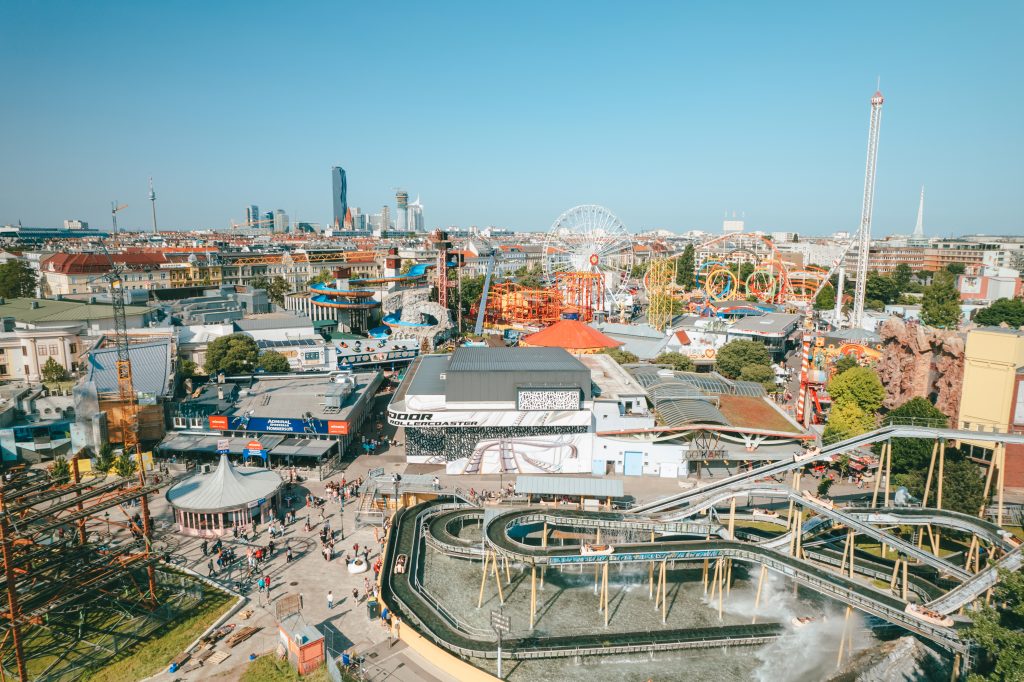
A theme park can do what no midway can: build one coherent world in which every ride is part of the same story.
The two models have opposite strengths. A theme park can build a coherent whole, where every ride, path and view is planned to work together. A pay-per-ride park, with its many operators, brings variety, surprise and a pace of renewal that no master plan would produce.
That is why the lesson is not to copy the midway. A theme park does not need its rides to compete, and it does not have to judge each one as if it sold its own tickets. What it can borrow are the tools: rides that are visible and visibly moving, as little dead time as possible, and exits that make the next guest want to ride. The rest is its own strength – a world in which every part is planned to work together.
For manufacturers
What it means for manufacturers
Many products are still designed for the gated pay-one-price world, where capacity per hour is the main argument. The result is capacity machines. Silver Star at Europa-Park runs three trains of 36 riders each. With a ride time of almost three minutes and around 50 seconds in the station, a train leaves roughly every 75 seconds – about 1,750 guests an hour in theory, and still around 1,300 in everyday operation. A pay-per-ride park rarely needs that much – and a long train waiting in the station is exactly the advertisement that has switched itself off.
Pay-per-ride venues – and the many fairs, city parks and family entertainment centres that work similarly – need something slightly different. Capacity still matters, but so does visibility: frequent dispatches, plenty of action and always something happening, so that the ride puts itself at the centre of attention.
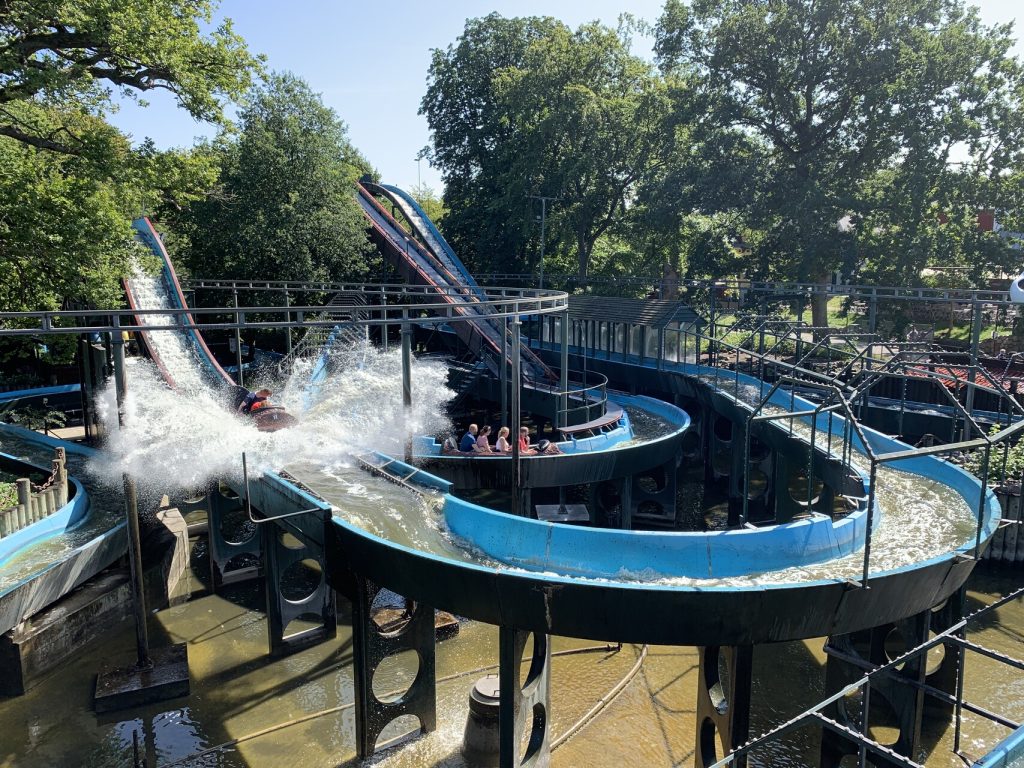
- Loading Fast, simple loading and frequent dispatches rather than maximum train length.
- Presence Strong visual presence from the walkway, including the station and unload area.
- Layout Compact, adaptable layouts for irregular, crowded plots.
- Business model Financing and service models that fit independent, often family-run operators.
In short
Takeaways for decision-makers
- Play to the strength of your model: one coherent world behind the gate, variety and constant renewal on the midway.
- Make rides visible, and keep them visibly moving.
- Remove dead time; it is felt as poor value.
- Design the ending as the sales pitch for the next ride.
- Measure every ride on its own: ride counts, queue times and repeat rides show what guests really choose.
Planning a ride that has to stand out – inside a gate or on a midway? This is the kind of question I work on every day. Get in touch
Sources
- Prater Wien – Welcome – free entry, open around the clock
- Prater Wien – FAQs – rides paid individually, approx. €3.50–€15
- ORF Wien – Sommersaison im Wiener Prater gestartet – close to seven million visitors in 2025
- ORF Wien – Wiener Wurstelprater – around 80 businesses
- Wikipedia – Dyrehavsbakken – founded 1583, 2.5–2.9 million visitors, free access
- Fever – Tivoli Gardens tickets – opened 1843, entry does not include rides
- Tivoli A/S – Annual Report 2025 – 4,304,000 visitors in 2025