
The Most Underrated Investment in the Park
Why the family coaster deserves the spotlight
For decades, the industry measured itself in metres and kilometres per hour. Today the most interesting coaster projects are aimed at the whole family. Here is why that makes business sense – and what separates a great family coaster from a forgettable one.
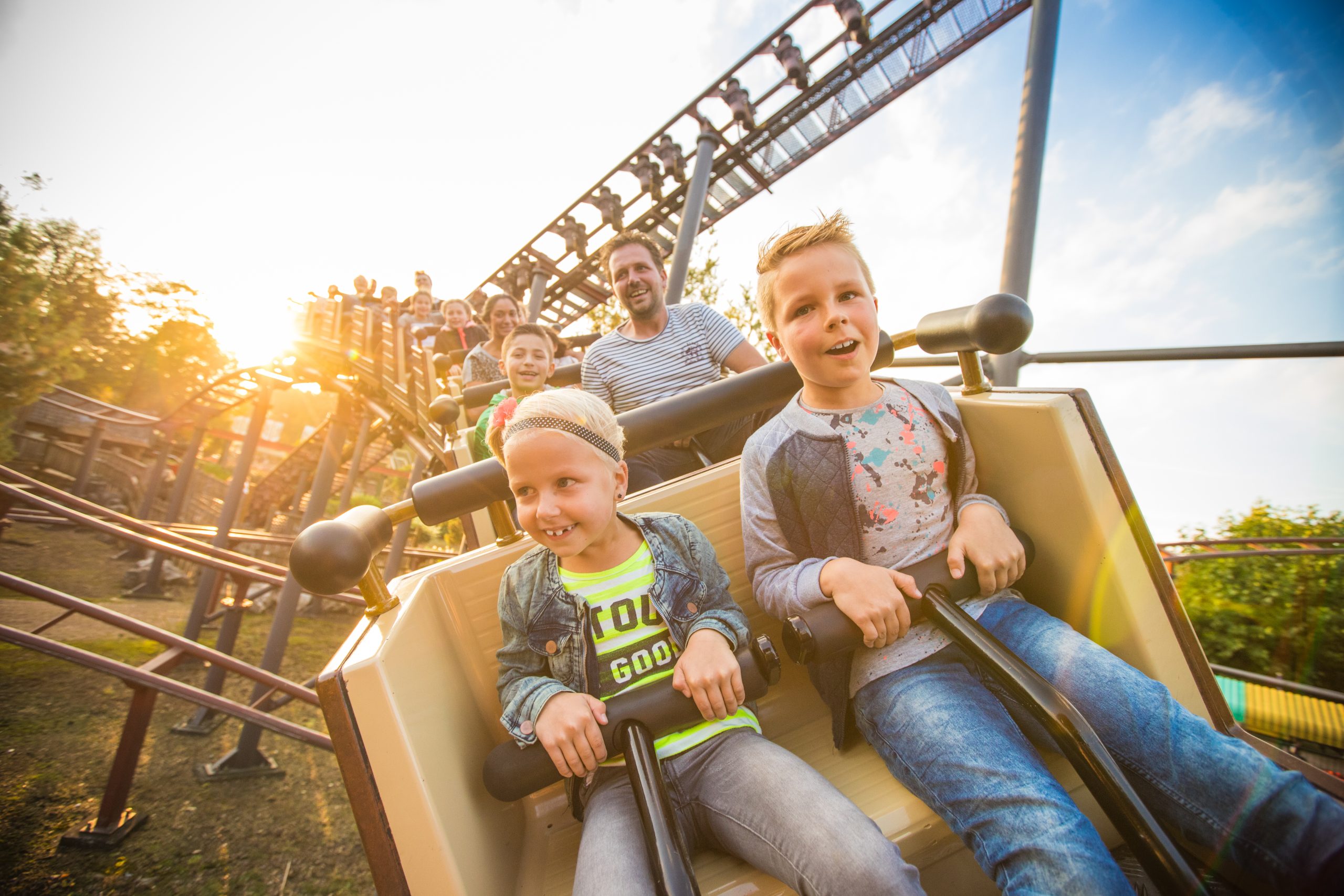
From the late 1980s onwards, the coaster industry was locked in a race for records: taller, faster, longer. Those rides still make headlines. But look at the projects major operators are actually announcing, and a different picture appears. Universal opened Epic Universe in 2025 with three family-sized coasters. United Parks has invested in a series of family inverted coasters from B&M. Dollywood presented a family coaster combined with a whitewater raft ride as its next major investment.
The family coaster is no longer the filler between the kiddie ride and the headliner. For many parks, it is the smartest investment they can make.
01
The buying decision is made by the group
A thrill coaster sells to individuals. A family coaster sells to groups – and most park visits are group visits.
When a ride has a high minimum height or a punishing intensity, it splits the group. Some ride, others wait, and the waiting part of the family experiences the park’s biggest investment as a bench. A well-designed family coaster does the opposite: it gives the whole group a shared experience, and shared experiences are what families talk about on the way home.
Demographics reinforce this. Older generations with significant spending power now visit parks with their children and grandchildren. Many of them no longer want the most extreme rides, but they still want to ride.
02
The business case
In my experience, the family coaster wins on almost every line of the investment decision:
| Factor | Family coaster | Record thrill coaster |
|---|---|---|
| Potential rider pool | Children, parents, grandparents | Mainly teenagers and young adults |
| Repeat rides | High – children ride again and again | Lower – often “once is enough” |
| Footprint | Compact, adaptable to existing plots | Large, often needs new land |
| Investment | Moderate | High |
| Marketing reach | Families – the core audience of most parks | Enthusiasts and a younger audience |
| Shelf life | Long, if designed with enough substance | Pressure to be outdone by the next record |
None of this makes thrill coasters obsolete. Headliners build reputation and media reach. But for parks that cannot afford a record breaker – and for those that already have one – the family segment is where an investment works hardest.
03
“Family” does not mean “tame”
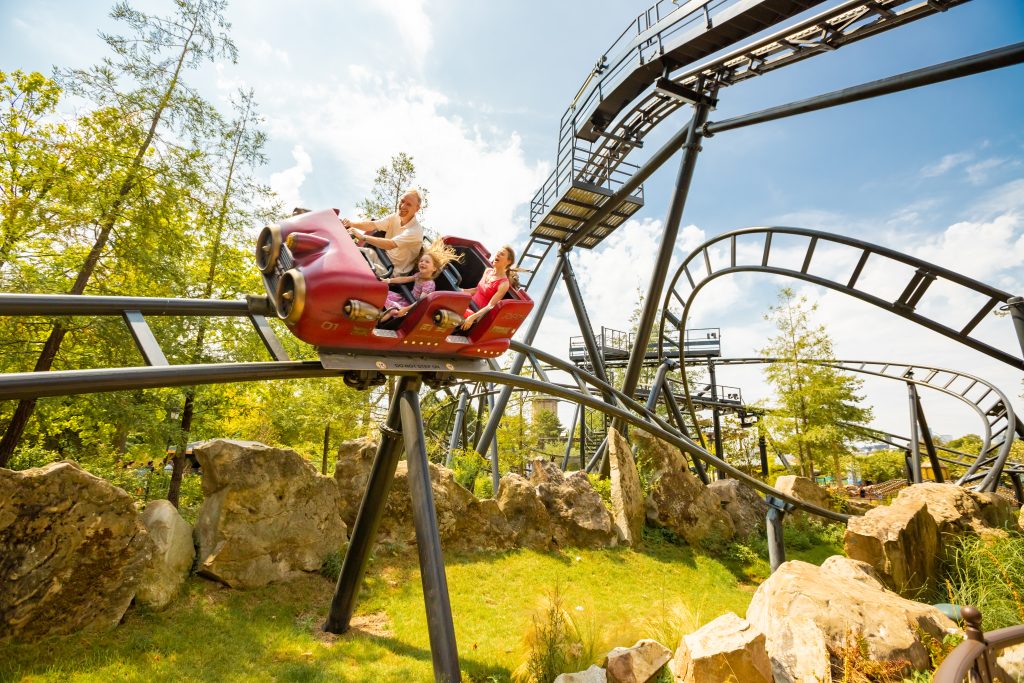
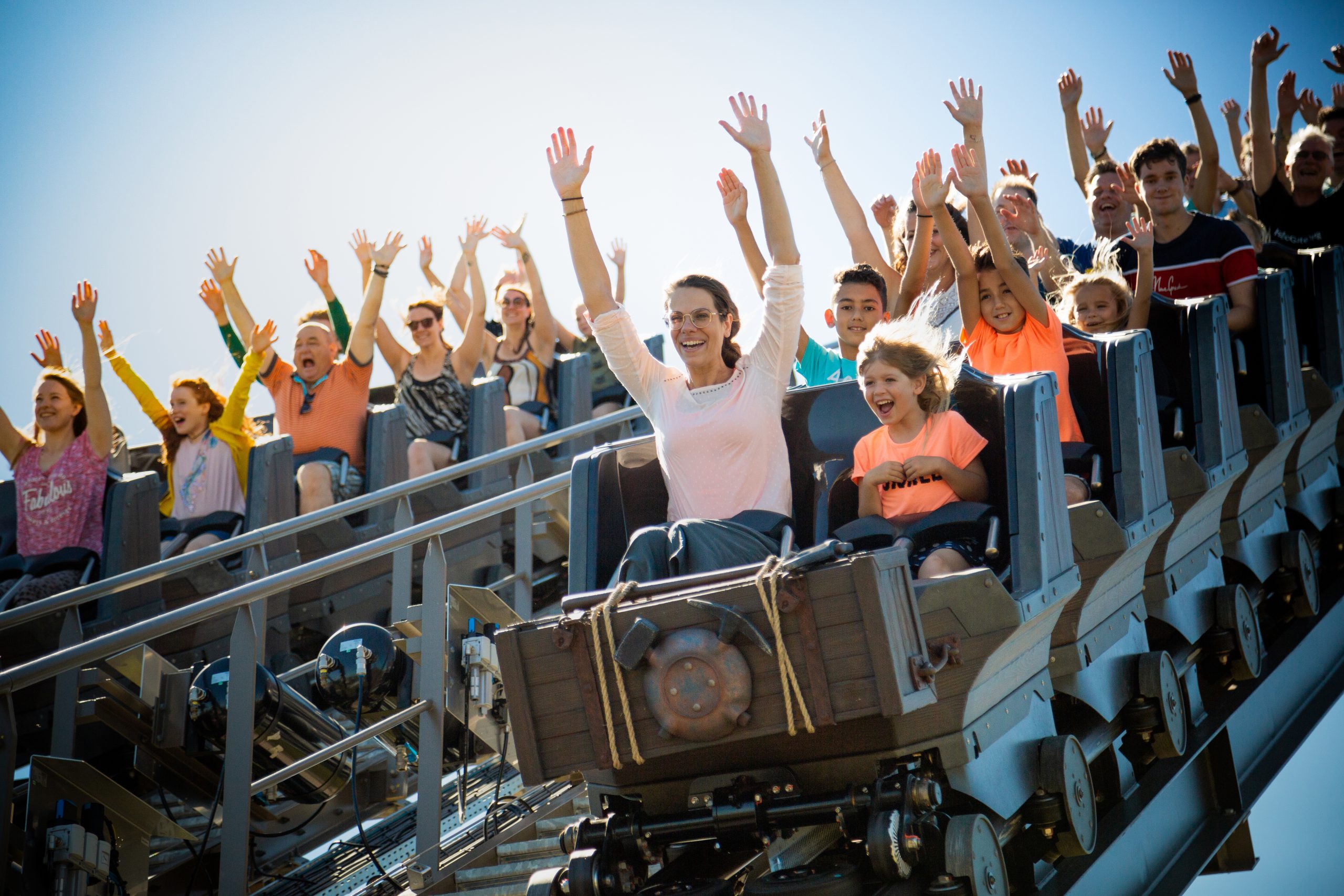
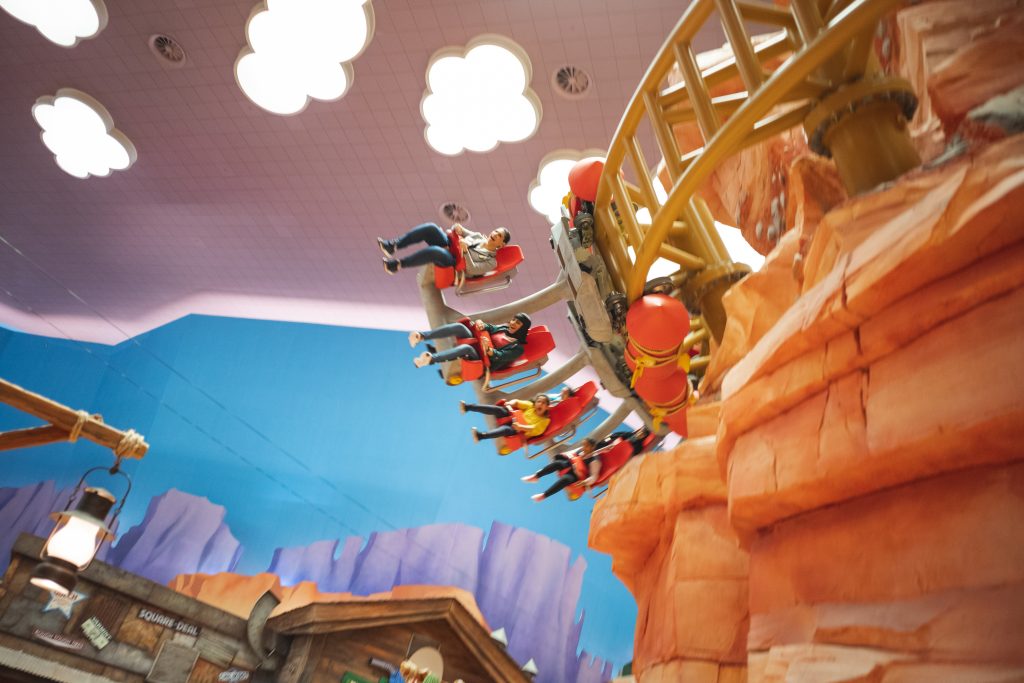
The most interesting development is the rise of what is often called the family thrill coaster. Manufacturers are bringing inversions, launches and wing seating into the family segment. These rides are not kiddie coasters with a bigger budget. They are complete coasters with a lower entry threshold.
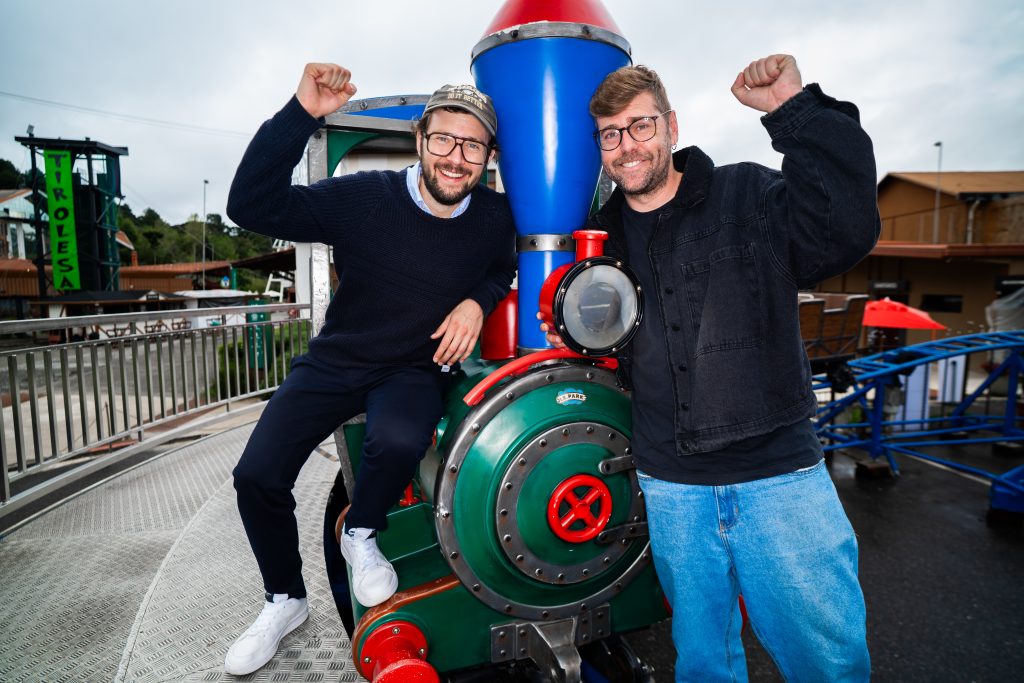
At the other end of the scale, even a small children’s coaster can become a park’s emotional centre. Hilda’s Mini Mountain at Parque Capivari in Campos do Jordão, Brazil, is the perfect example.
It stands just 3 metres tall with 60 metres of track, pulled by a locomotive-style train with Hilda, the park’s mascot, clinging to the smokestack. Yet for the park’s family audience it is the highlight of the visit.
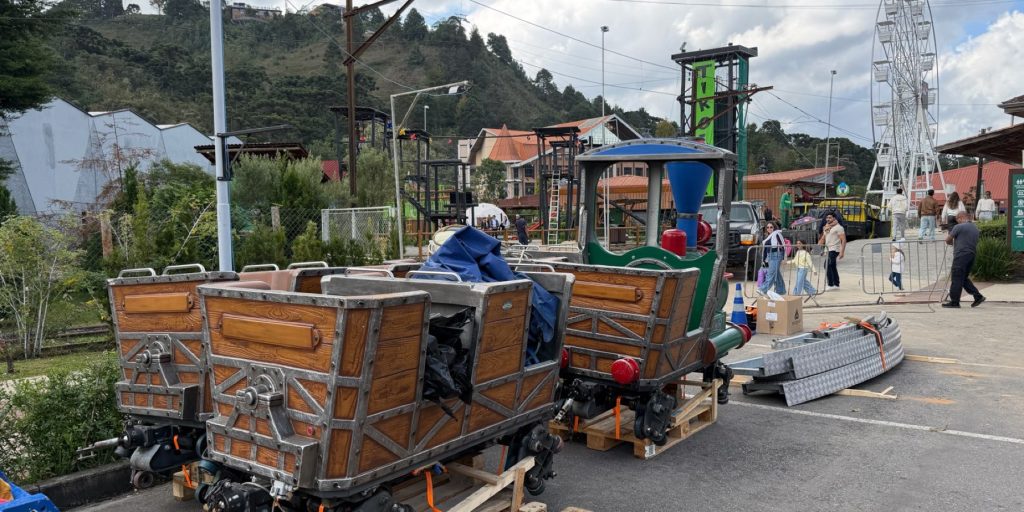
Size is not what makes a family coaster a centrepiece – fit is.
04
Six design rules for a great family coaster
A family coaster is harder to design than it looks. It has to satisfy a six-year-old, a teenager and a grandparent in the same car. These are the rules I work with:
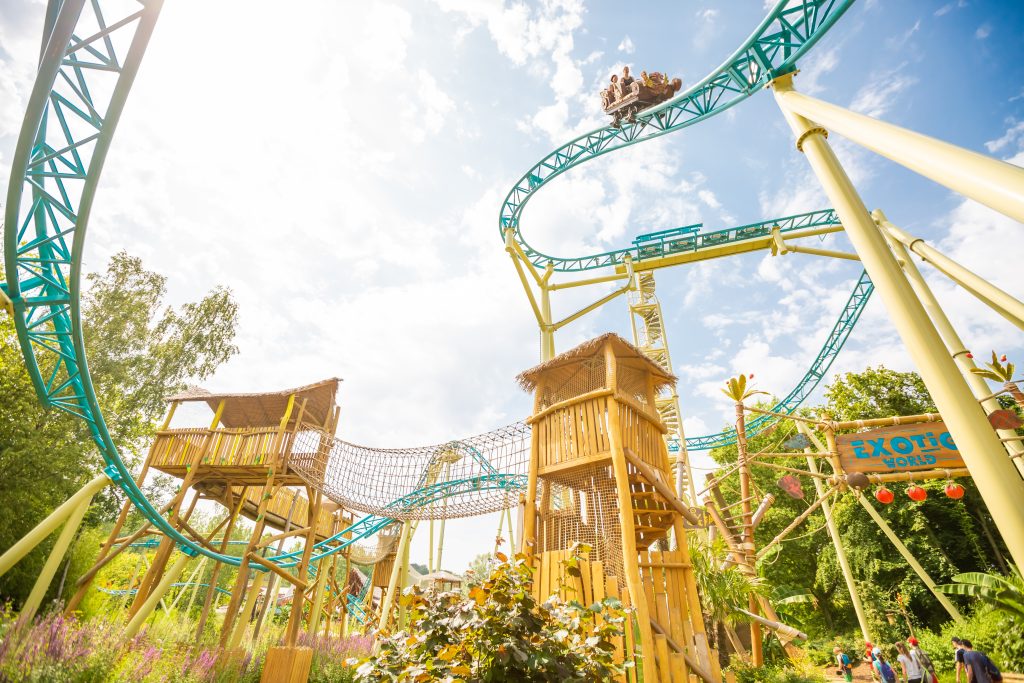
- Design for the most cautious rider, delight the boldest Forces stay gentle, but surprise moments – a short burst of airtime, a near miss, an unexpected turn – make the ride exciting for everyone.
- Pace it like a story A family coaster lives from rhythm: build-up, release, a moment to breathe, a final surprise. One continuous rush quickly feels monotonous.
- Let parent and child sit together Seating should make it natural for an adult and a child to share a row. That moment of looking at each other mid-ride is the product.
- Plan loading for real families Families load more slowly than groups of teenagers. Station design, restraints and dispatch intervals must account for that, or capacity on paper becomes a queue in reality.
- Make it visible A family coaster that can be seen from the main paths sells itself – to children first, and through them to their parents.
- Build in substance for the second ride If a child has seen everything after one ride, the coaster is outgrown within a season. Details, theming and dynamic variation make it worth riding again.
05
Where family coasters go wrong
The two classic mistakes sit at opposite ends. Some rides are so tame that children outgrow them in a single season. Others are so intense that parents lose trust after the first ride. A third mistake is quieter: the generic off-the-shelf layout dropped onto a plot without regard to sightlines, guest flow or the park’s existing line-up.
The ride itself may be standard. Placement, pacing and the overall experience should not be.
06
What it means for manufacturers
The growth in this segment is not only in large theme parks. It is in mid-sized and family-run parks that need a strong new attraction but cannot finance a record breaker. For them, adaptable layouts, compact footprints, clear service concepts and realistic financing matter as much as the ride itself. Manufacturers that design products and sales processes for these operators are addressing one of the broadest markets in the industry.
Thinking about your next family attraction? I help parks find the right ride type and turn it into an experience the whole group remembers. Get in touch
Sources
- Blooloop – The era of the family coaster is here – Epic Universe family coasters, demographic argument
- ACE – Barracuda Strike, SeaWorld San Antonio – B&M family inverted coasters for United Parks
- Fox Business – US parks focusing on family – Dollywood NightFlight Expedition
- Coaster101 – Family coaster renaissance – the end of the record race