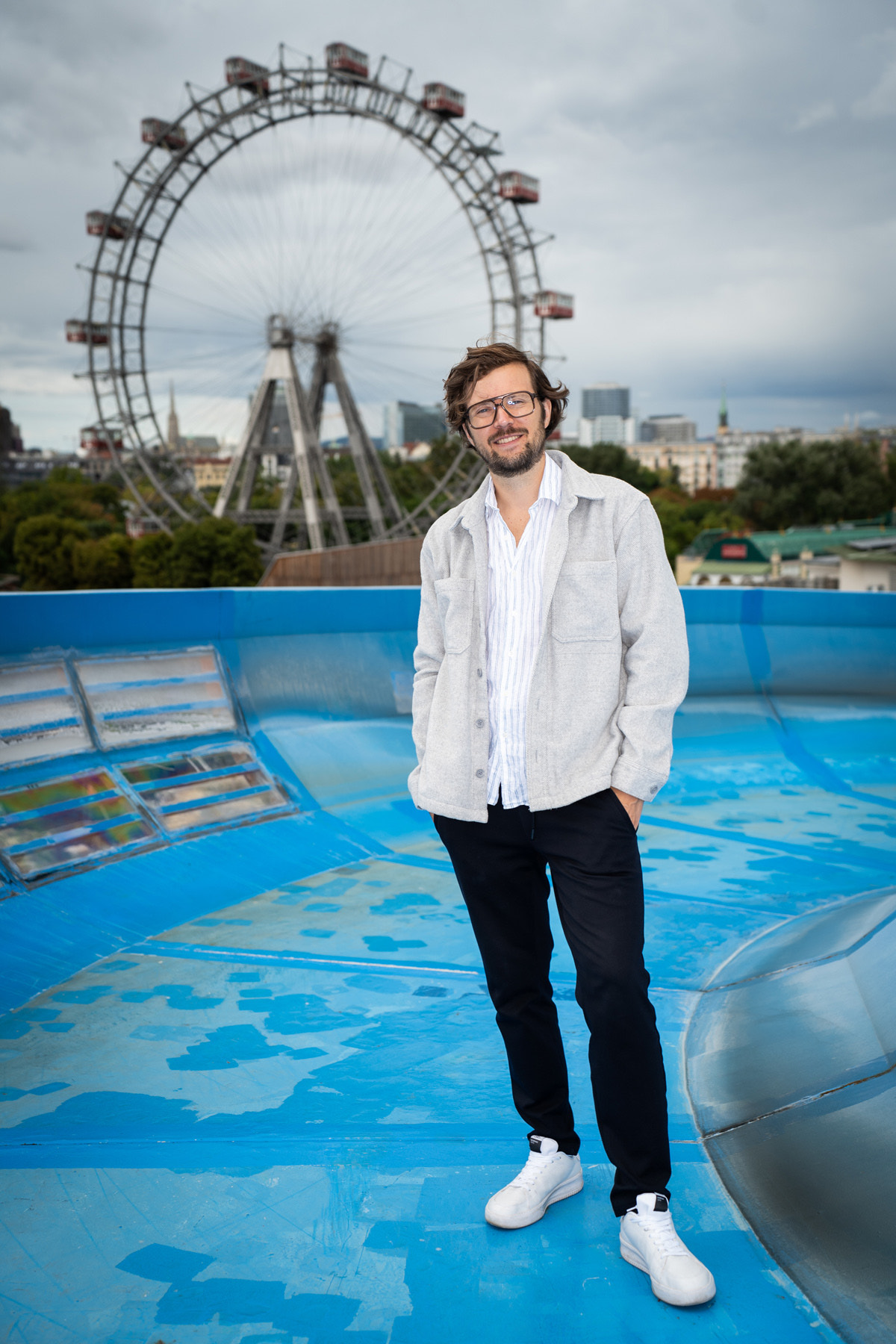

Rides Are Mortal
Every roller coaster has two days that enthusiasts and guests remember: the day it is announced and the day someone decides it has to go. The first one gets fireworks, ribbon cuttings and a press release. The second one usually arrives as a short statement on a Tuesday afternoon – and the fans are already mourning in the comments before the park has finished its sentence.
Nothing in a park is permanent
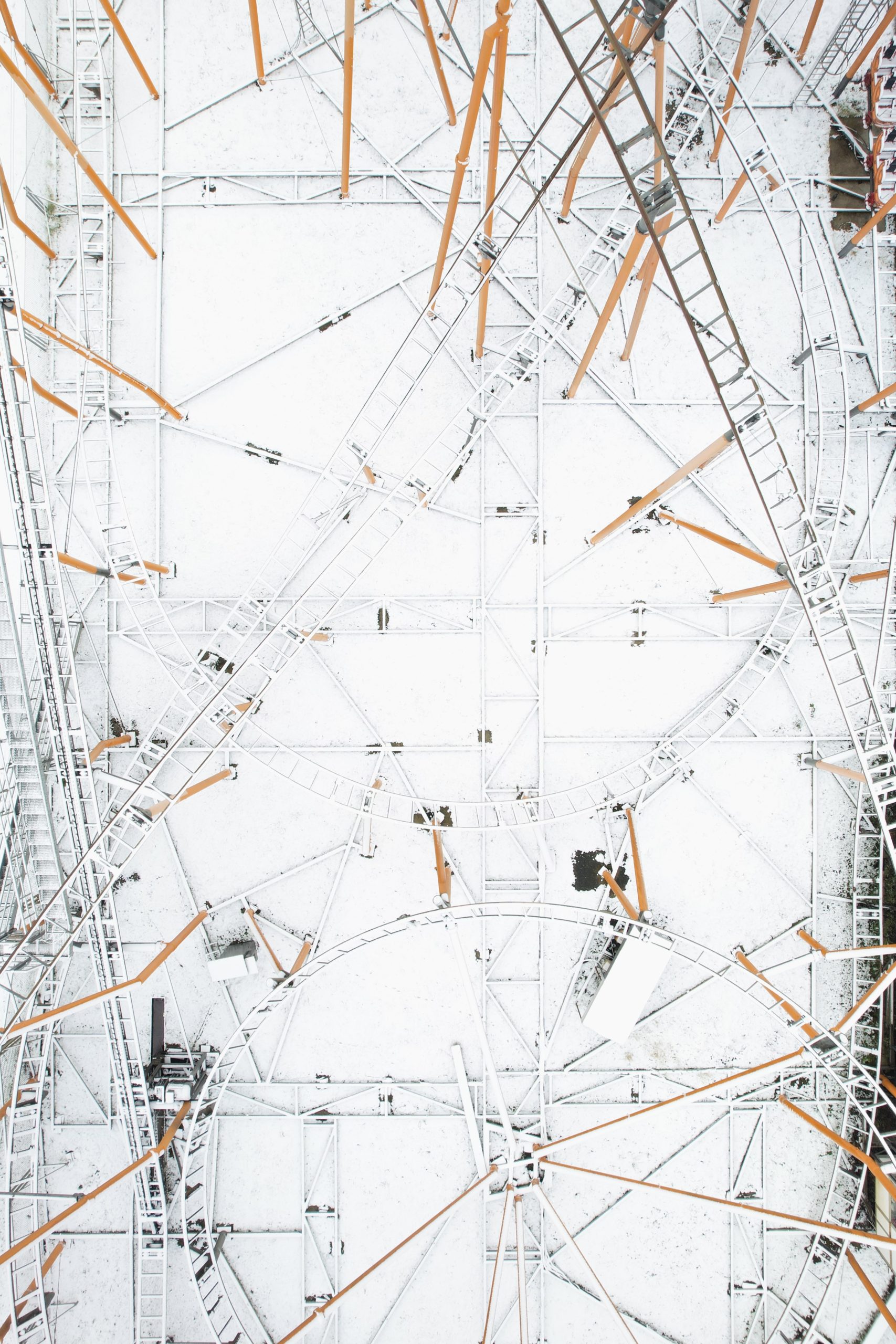
We like to think of steel as eternal. It is not. Track wears, wheels wear, control systems age faster than the structures they run on, and spare parts for a thirty-year-old train can become a project of their own. At some point every operator faces the same quiet calculation: how much does it cost to keep this ride alive – and how much does it still give back?
That question is rarely about technology alone. A ride can be in perfect condition and still have lost its place in the park. Queues get shorter, guests walk past, the area around it has changed. Sometimes the ride did not get worse. The park simply moved on.
Renewal is a design task
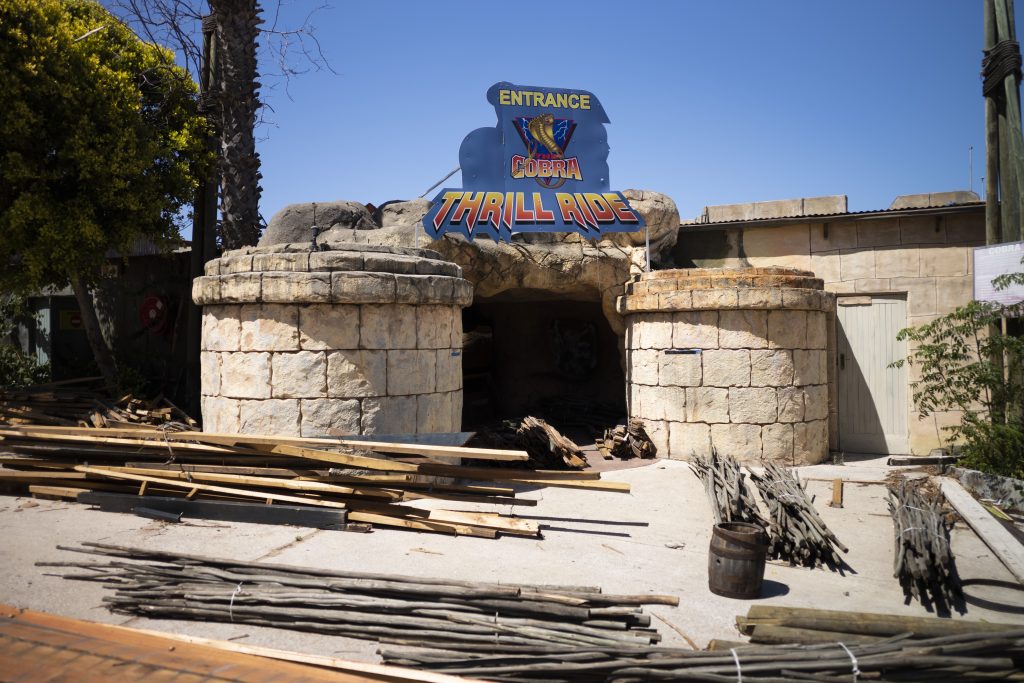
The interesting part begins after the decision. Tearing something down is easy. Replacing it with something that matters is not. The best renewals I have seen did not start with a catalogue but with a question: what is this spot in the park supposed to do? Pull people to the back of the park? Give families a ride they can share? Create the image that ends up on every postcard?
Only then does the hardware follow. Sometimes the answer is a brand-new coaster. Sometimes it is a refurbished classic from another park, which brings a second life and a lower budget. And sometimes it is an existing structure that gets new track, new trains and a new story – the same footprint, a completely different experience.
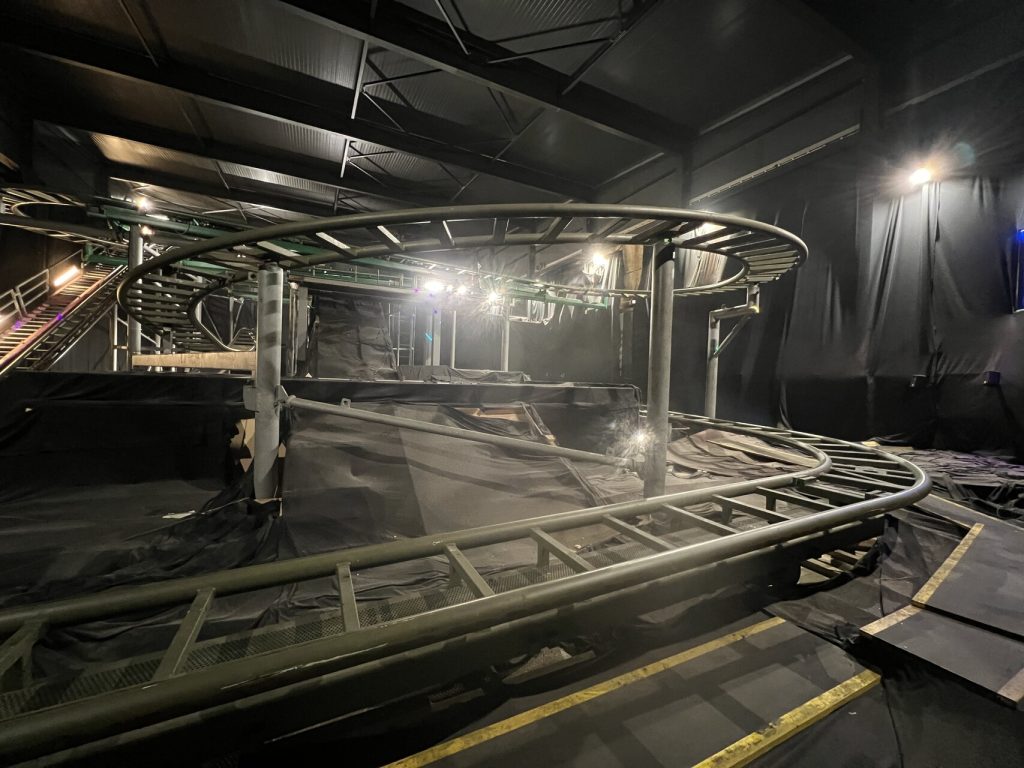
What we lose, what we keep
Still, something gets lost every time. The first ride with your father. The adventure that took all your courage – and that you went on anyway. The hours with friends in a queue that seemed endless, until you finally got on. These memories do not show up in any business plan, but they are the reason people care at all – and good parks know it. Some keep a train as a photo spot, reuse the name, or let the new ride quietly nod to the old one.
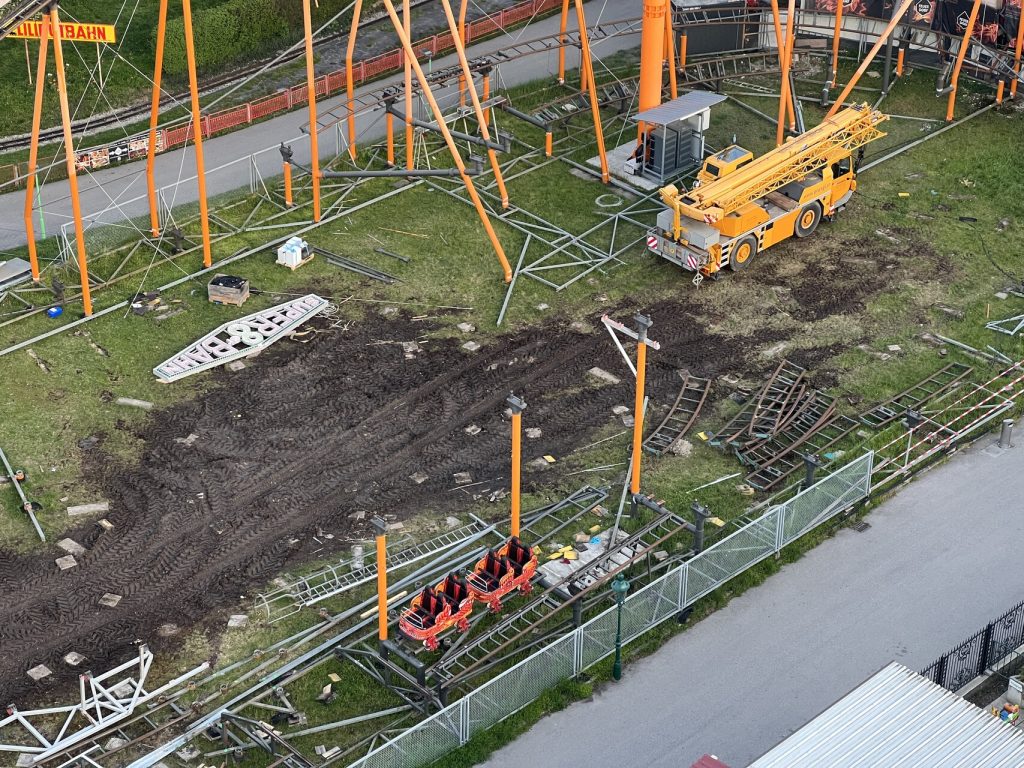
For me, this is the part of the industry I find most fascinating: watching parks age, change and reinvent themselves. Every closure is also an opening – for a new idea, for a ride that travels to a new home, for the next generation of riders who will one day miss it themselves.
So the next time a park announces the end of a classic, look closely at what comes next. That is where the new story begins.