
01
A heritage park with a development problem
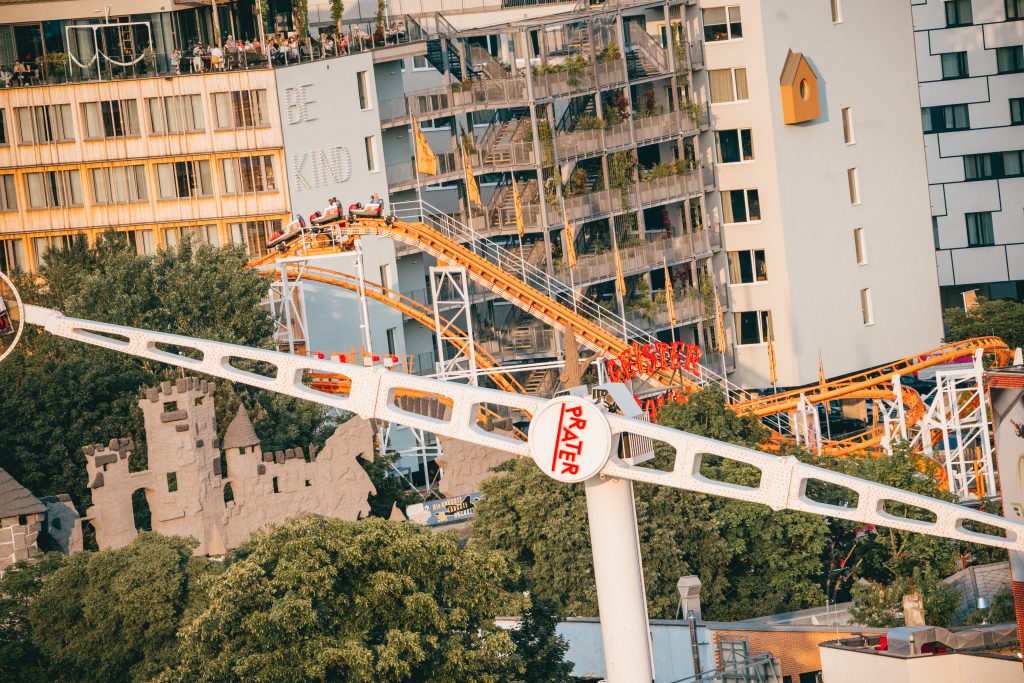
The Prater is one of Europe’s oldest amusement destinations. It dates back to the 18th century and welcomes millions of visitors every year. Unlike a master-planned theme park, it has grown organically, attraction by attraction, run by independent families over generations.
That structure gives the Prater its identity. It also makes large investments difficult. There is no central owner, no master plan and no shared budget. Every major ride is a private risk taken by one business on one plot. That is the main reason why, despite its long coaster history, the Prater never had a permanent modern flagship coaster until now.
02
The brief: bring the back of the Prater back to life
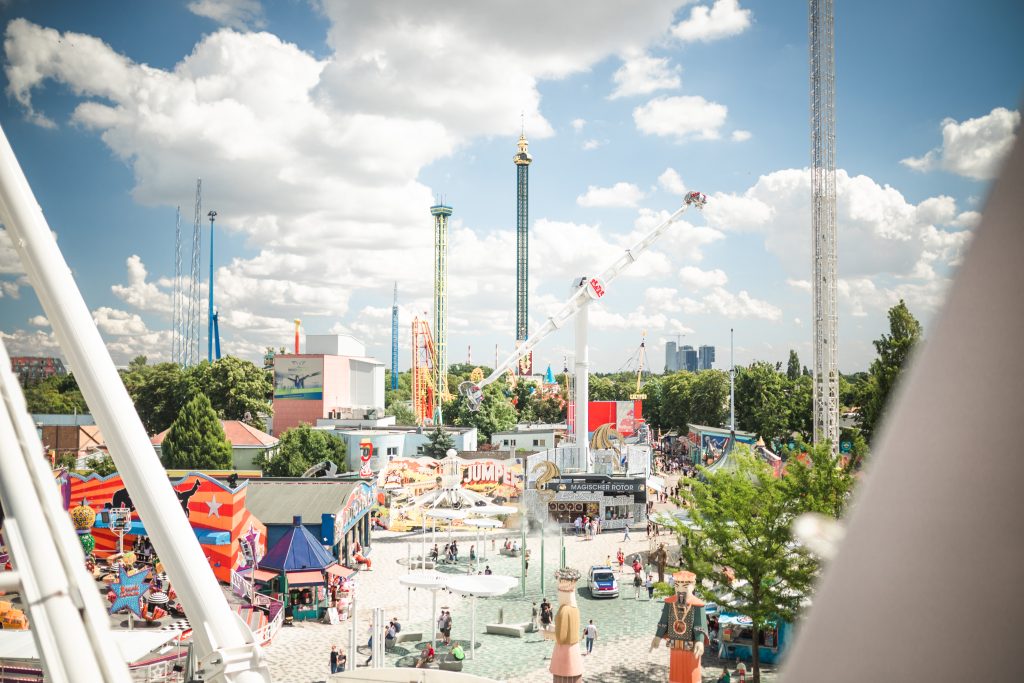
The project had two goals from the start. First, revitalise a quieter rear section of the park around the ghost train. Second, generate additional revenue for the neighbouring attractions, many of which are run by the same family.
The initiative came from Stefan Sittler-Koidl. His father-in-law had planned a coaster at the Prater back in 1982: the original Wiener Looping, which never opened to the public because of noise complaints from residents around the park. Stefan proposed developing the area and continuing that legacy, and the new ride carries its predecessor’s name.
03 · The role
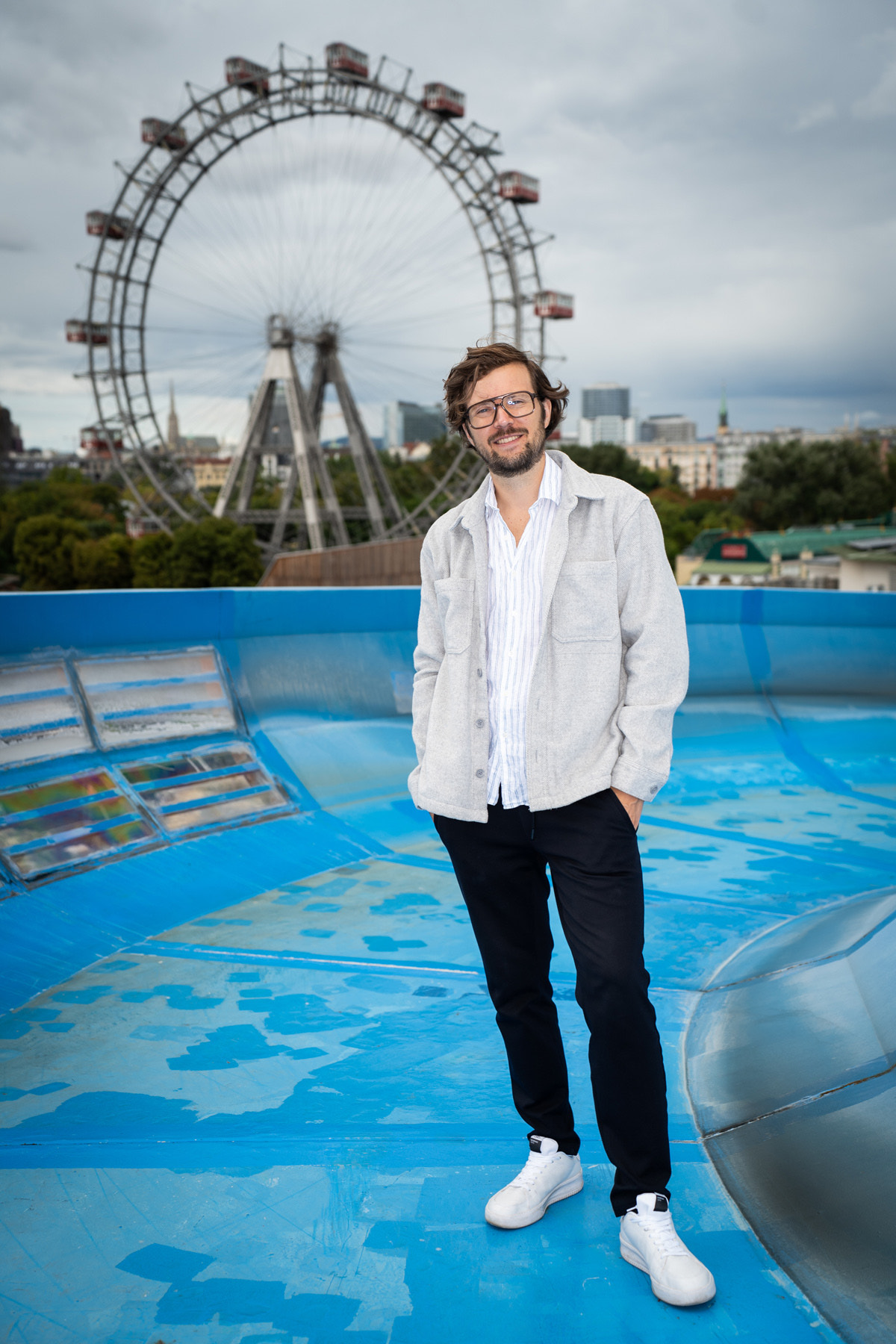
My role: the link between operator, strategy and manufacturer
Independent operators rarely have an in-house design team. Manufacturers, in turn, design around their own products.
In my experience, the gap between what an operator wants and what ends up on the order form is where much of a project’s value is lost.
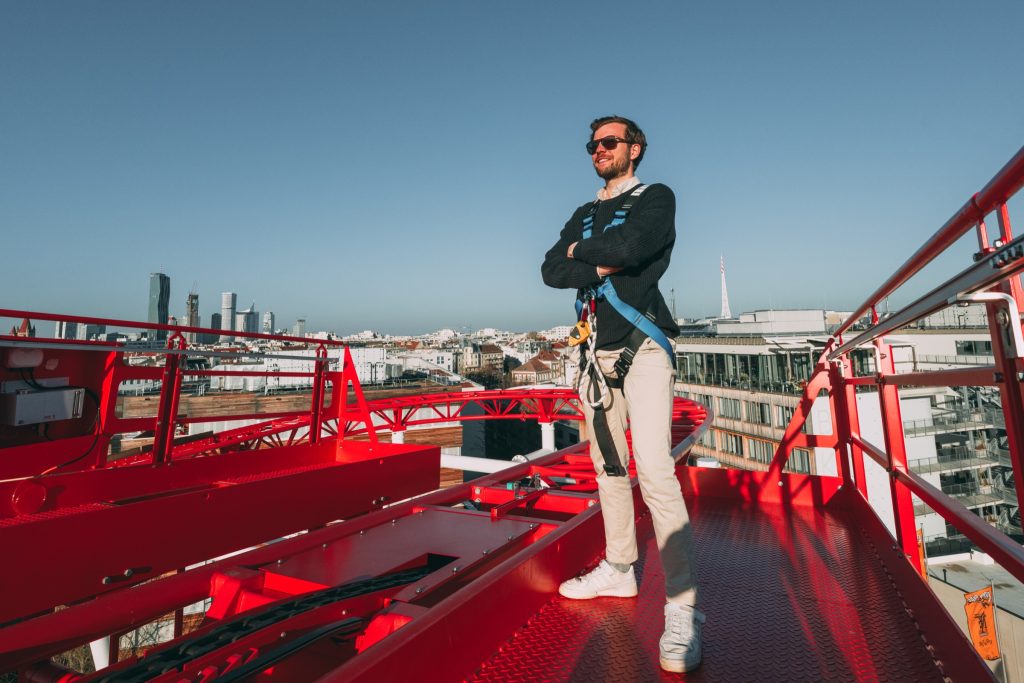
My job on the Wiener Looping was to close that gap, from the first analysis to opening day.
- Strategy Analysing the existing attraction portfolio and defining the right ride type for location, audience and budget.
- Design Turning the operator’s vision into a layout, ride elements and an overall character.
- Representation Making sure the operator’s priorities held in every discussion and decision with the manufacturer.
- Execution Overseeing the project through manufacturer coordination, construction, testing and opening.
04 · The client
Vision meets structure
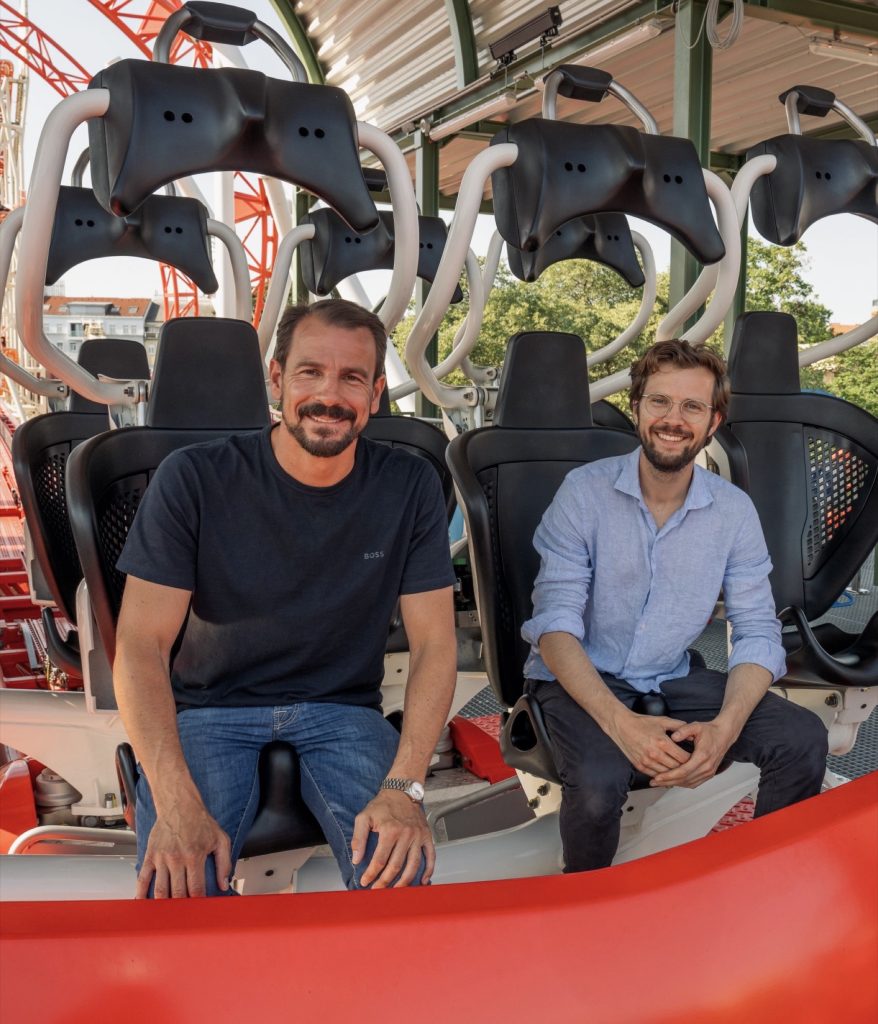
Stefan Sittler-Koidl, owner and operator of the Wiener Looping, arrived with a clear picture: what he loved about roller coasters, what he wanted to avoid, and what kind of emotional experience the ride should deliver.
My task was to structure that vision, test it against the site and the budget, and translate it into a design that could be built.
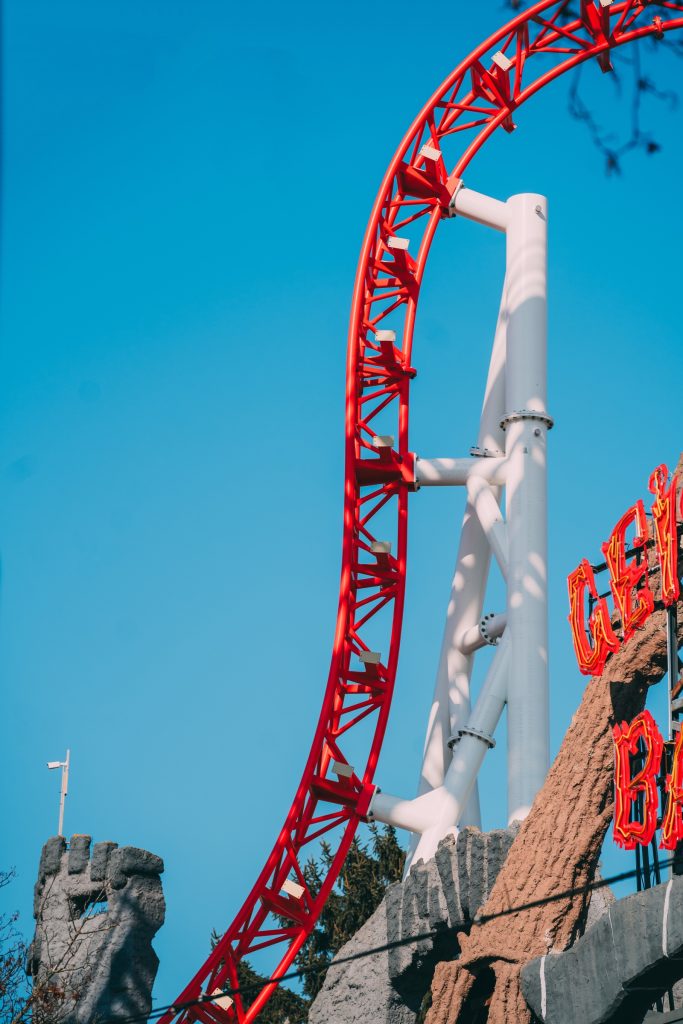
That trust made bold decisions possible. A 92-degree drop, a track that crosses a public street and a loop that sets new boundaries are not choices an operator signs off on without confidence in the process behind them.
I laid all my ideas, preferences, and also my no-gos on the table. What emerged is not a standard ride, but exactly the roller coaster I wanted for this location.
Stefan Sittler-Koidl, Owner & Operator
05
The loop as a brand
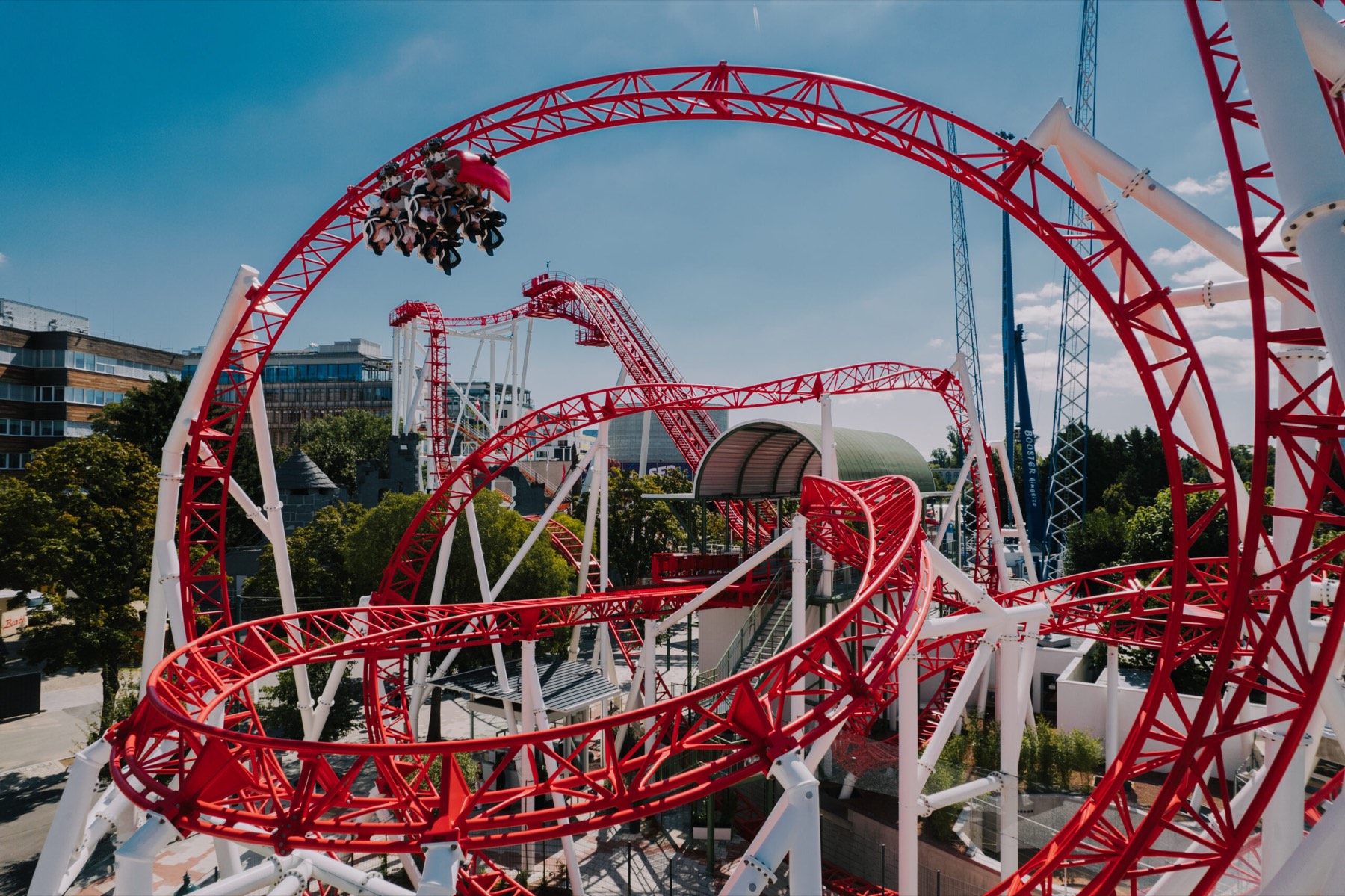
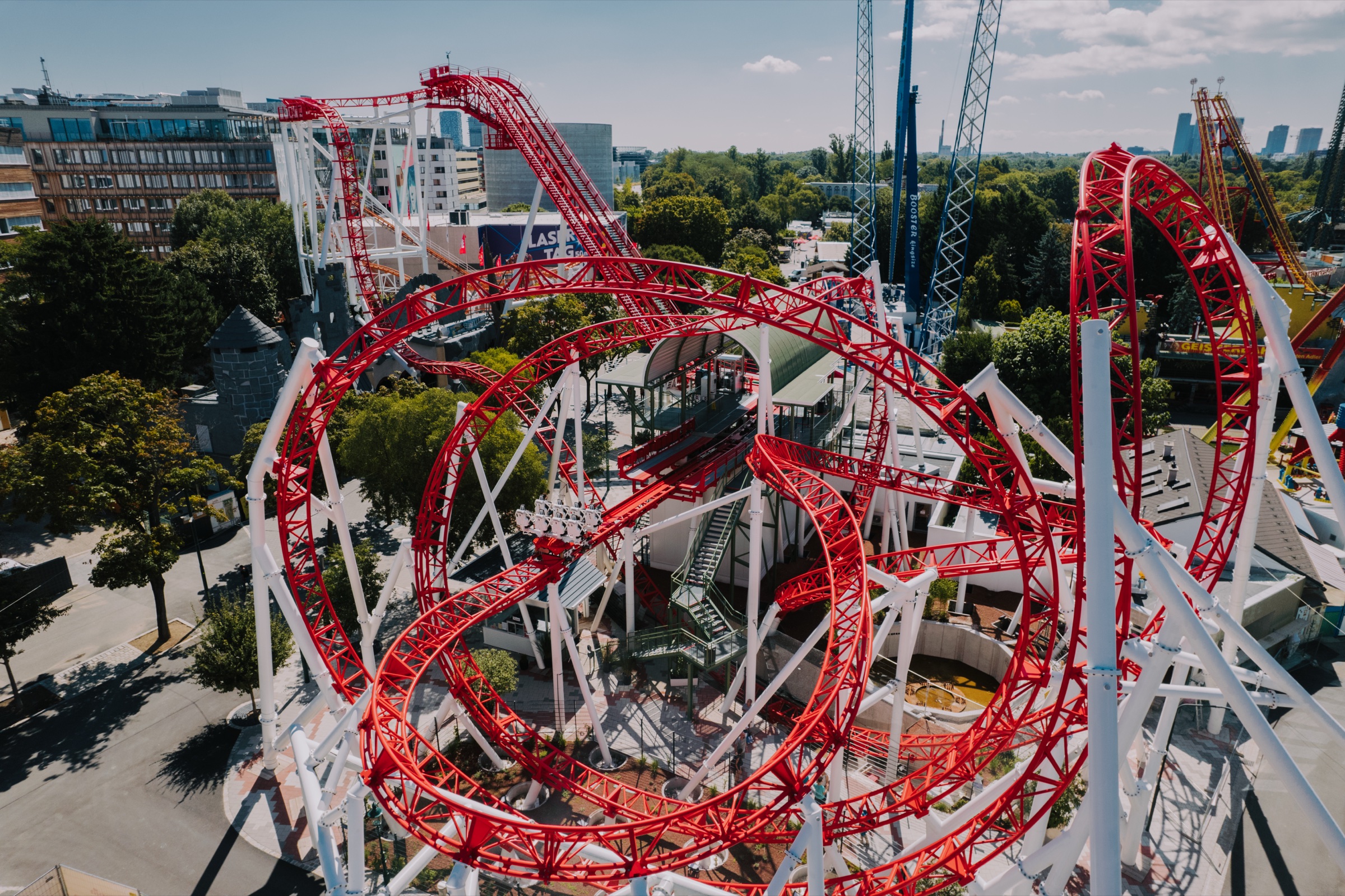
With the name settled, the centrepiece of the layout was settled too. Modern calculation methods allow manoeuvres that were impossible when the first modern vertical loop opened in 1976, on the Great American Revolution at Six Flags Magic Mountain. Our aim was a loop that looks and feels unlike any standard element: its overhead section is stretched to almost three seconds of near-weightlessness, and its wide radius gives room for the final curve to run through its centre.
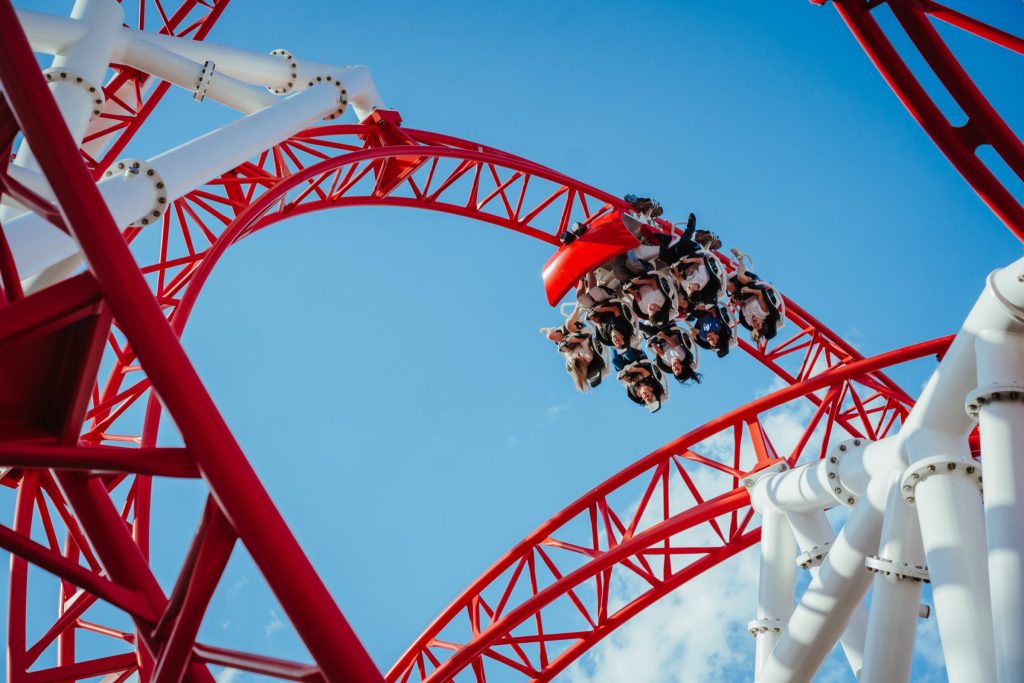
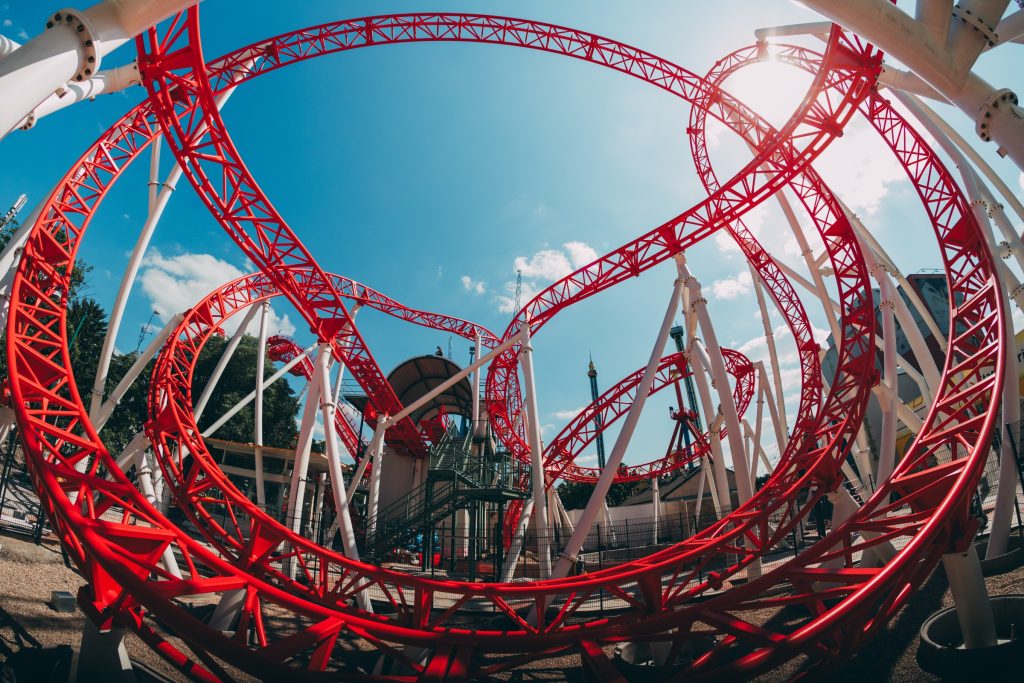
The loop does three jobs at once. It is the name-giving element of the ride, a visual landmark visible across the Prater, and a highlight that brings riders back for another go. How the site shaped this and every other element is described in Part 1, “A Bold Decision”.
- 31 mLift hill
- 92°First drop
- 82 km/hTop speed
- 3Inversions
- ~3 sUpside down in the loop
06
Designed for the long run
The Wiener Looping was planned as a long-term investment, not a one-season sensation.
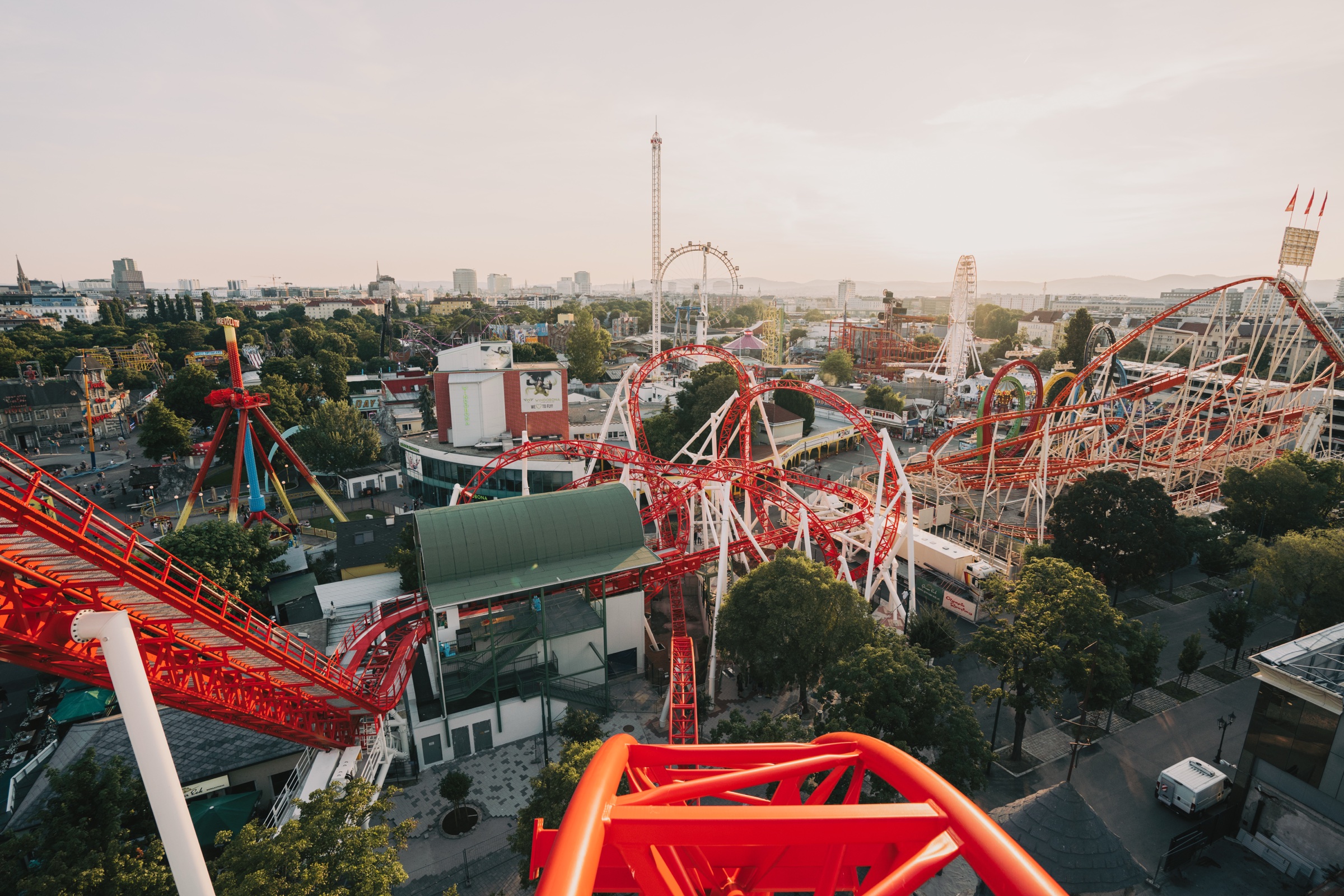
- Visitor flow The ride pulls guests into a previously quiet part of the Prater and strengthens the businesses around it.
- Room to grow The helix was designed with a future expansion in mind, such as a planned observation tower.
- A second life built in The cars can be configured to ride backwards. That enables a relaunch later, with new marketing and minimal operational effort.
- Repeat riding Pacing and intensity are tuned to make guests want to ride again – essential in a pay-per-ride environment.
07
Five lessons for operators
The Wiener Looping is a Prater-specific project, but its logic travels.
- Let the business model pick the ride type. In pay-per-ride, constant visible motion sells tickets. Capacity alone does not.
- Treat the site’s constraints as the brief. The ghost train, the street and the irregular plot produced the ride’s best moments.
- Design the signature element first. A memorable element is ride experience and marketing in one.
- Build in a second life. Expansion space and cars that can run backwards let the ride return as something new years later, without buying a new one.
- Give the operator’s vision an advocate. Someone has to hold the operator’s priorities in every manufacturer meeting.
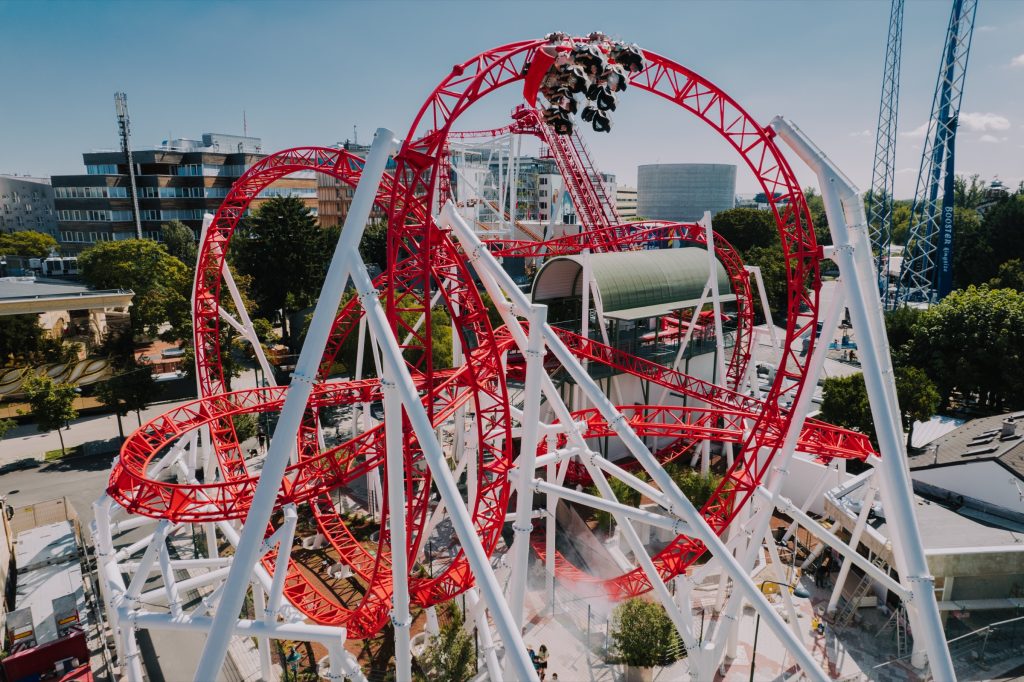
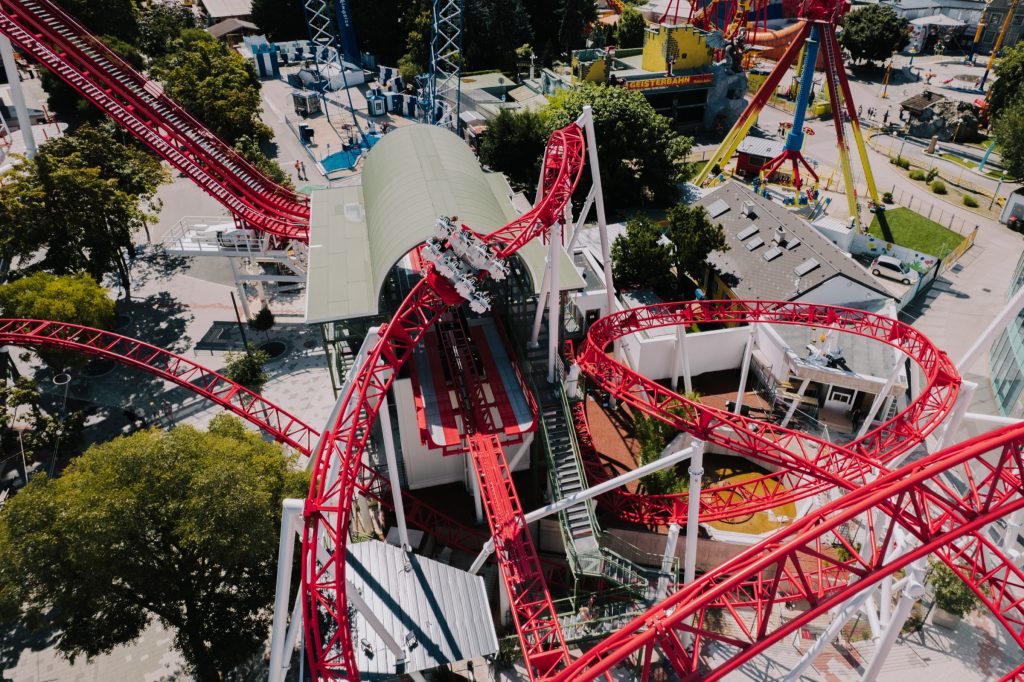
The Wiener Looping set the standard for how I work: guiding a vision from strategic concept through detailed planning and technical execution to operational alignment.
In upcoming articles I will look behind the scenes at construction, maintenance-friendly design and the decisions that never show up on a ride video.
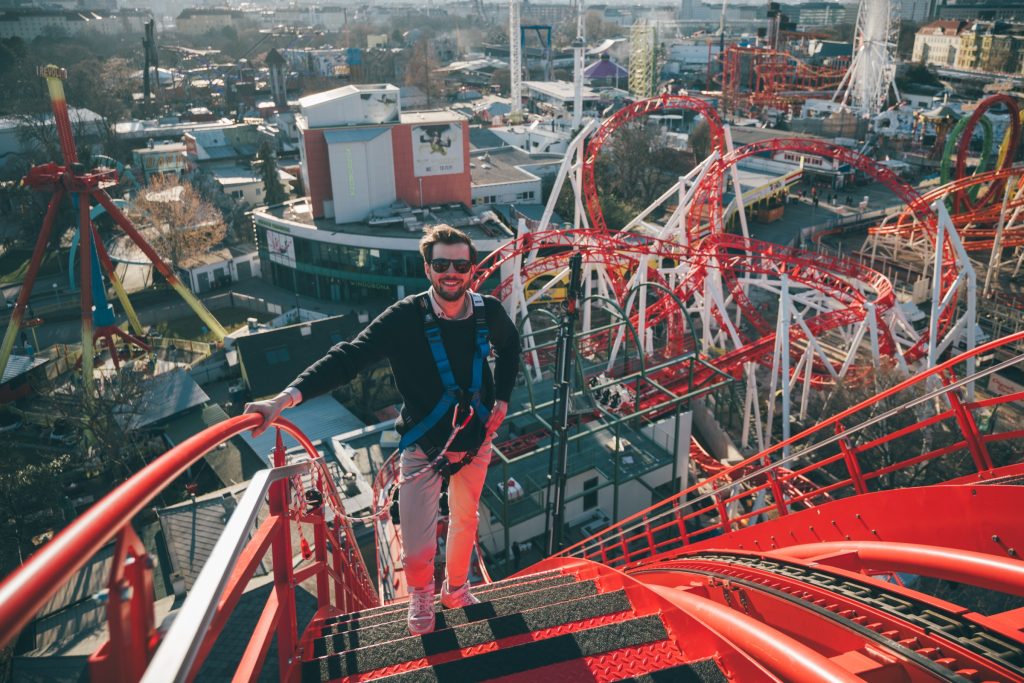
Evaluating a new attraction or repositioning an existing site? I am happy to discuss how a strategically designed ride can strengthen both guest experience and long-term business performance. Get in touch
Previously in this series A Bold Decision: how a difficult site shaped every element of the Wiener Looping